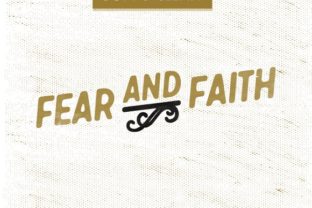
Ale Regular: The All-Caps Font That Embraces Imperfection
When I first started using Ale Regular, it was nothing more than a personal experiment—a font built for my own projects, scratchy and unpolished. I needed something that felt like real hand lettering, not the sterile precision that most digital fonts offer. After sharing it with a few peers, the response was clear: this all-caps font had a raw, off-the-cuff energy that others wanted too. So I opened it up. Now, Ale Regular is a tool for designers, marketers, and creators who crave authenticity in their work, with every imperfect stroke adding personality where perfection would fall flat.
What Makes Ale Regular Stand Out
Ale Regular isn’t about clean lines or geometric symmetry. It’s a handwritten font that leans into its quirks: slightly uneven letter heights, subtle thickness variations, and edges that feel drawn by a marker. This is a display font in the truest sense—built for impact, not body text. Its all-caps nature commands attention, but the small imperfections keep it from feeling robotic. Think of it as the typeface equivalent of a favorite worn-in jacket: comfortable, familiar, but with character that stands out.
Where other fonts smooth over inconsistencies, Ale Regular highlights them. The letterforms have a slight wobble, a deliberate roughness that works wonders when you apply texture. Throw a gritty paper overlay or subtle noise effect on top, and the font comes alive—it grips the grit like it was made for it. This is modern typography with a vintage soul, perfect for projects where you want to whisper, “This was made by human hands.”
Where Ale Regular Shines Across Projects
I’ve tested Ale Regular in a dozen scenarios, and its strength lies in visual hierarchy and bold statements. Here’s where it delivers the most value:
- Brand identity and logo design: For small businesses or creative studios with a handcrafted feel—think coffee shops, breweries, or artisan workshops—Ale Regular acts as a reliable anchor. The all-caps format gives it weight, but the imperfections keep it approachable. Pair it with a simple serif font or sans serif font for contrast.
- Packaging design: Labels and tags benefit from that hand-drawn look. On a jar of handmade jam or a box of organic tea, Ale Regular speaks to authenticity without trying too hard. The slight irregularity mimics paint or ink, which is why it works beautifully with textured materials.
- Social media graphics: In crowded feeds, you need something that stops the scroll. Ale Regular as a headline font grabs attention, especially when paired with a clean script font for the body. It’s ideal for short quotes, product names, or event announcements where the tone is casual but confident.
- Editorial and web design: Use Ale Regular for headers, pull quotes, or section titles. On a blog post about handcrafting or creative processes, it reinforces the message. For web design, keep it large—below 24px, readability suffers, but at display sizes, it retains its edge.
The key is to trust the font’s voice. Ale Regular isn’t a subtle background player; it’s a lead role in your visual narrative. When I used it for a friend’s local brewery menu, the rough edges mirrored the industrial vibe of the space, and customers commented on how “real” the signage felt. That’s the kind of engagement you can expect when the typeface matches the brand’s personality.
How Ale Regular Influences Readability, Perception, and Consistency
Let’s address the elephant in the room: all-caps fonts can be tricky for long reading. Ale Regular is a display font, not a paragraph workhorse. That doesn’t mean it lacks readability—it means you use it strategically. For headlines, badges, or standalone words, the letterforms are distinct enough to be legible even in noisy layouts. The imperfections actually aid recognition; our eyes are wired to notice slight irregularities, making each word a micro-experience.
In terms of brand perception, Ale Regular signals transparency and craft. A tech startup might avoid it for fear of looking unpolished, but an artisan brand leverages it as a trust signal. For instance, a commercial font like this, with its hand-drawn roots, implies the business values effort over shortcuts. I’ve seen small business owners use Ale Regular in their brand identity to evoke nostalgia and honesty, and it consistently drives higher engagement on social media graphics because it doesn’t look like a template.
Consistency comes from pairing. Ale Regular alone can look chaotic in long form, so treat it as your accent font. Use it for the primary logo wordmark or key callouts, then lean on a neutral sans serif font for supporting text. This creates a clear visual hierarchy where the hand-drawn element grabs focus while the body text remains clean and readable. Over time, this repetition builds brand recognition—your audience associates that imperfect texture with your identity.
Practical Tips for Choosing and Using Ale Regular
Before you download and start setting type, consider these guidelines based on real project experience:
- Evaluate project fit: Ale Regular thrives in spaces where roughness adds value. If your brand is ultra-modern and minimalist, this font may clash. But if you’re working on a craft fair poster, a handmade soap label, or a musician’s album cover, it’s a natural match. Test a mockup with your actual imagery to see how it settles.
- Test font pairings: I recommend pairing Ale Regular with a simple serif font like Garamond for a classic tension, or a clean sans serif font like Helvetica for contrast. Avoid pairing it with another handwritten font—it doubles up on the roughness and dilutes impact. Keep the pairing to create a conversation between styles.
- Review included styles: Ale Regular is an all-caps font, so there are only uppercase letters, numbers, and basic punctuation. That’s fine for display work, but if you need lowercase extensions or extensive language support, check the character set. It’s a premium font with a focused scope, so plan accordingly.
- Readability considerations: For print projects like t-shirts or posters, Ale Regular works at any size above 30pt. For web design, ensure it’s used for headings or short callout text—avoid body copy below 24pt. I’ve found it holds up better when letter-spacing is increased slightly (2-3px) to avoid crowding.
- Commercial licensing: Like any commercial font, Ale Regular requires proper licensing for business use. Check the license terms for desktop, web, or app embedding. For small business owners, the standard license covers most print and digital applications, but always verify—especially if you’re using it in logo design or product packaging that will be mass-produced.
One more observation: Ale Regular doesn’t need much dressing up. I’ve seen designers overlay a subtle grain texture or use it as a cut-out on colored backgrounds, and it sings. But avoid heavy drop shadows or outlines—the font’s charm is its raw edge, and extra effects can muddy that. Keep the design minimal to let the typeface breathe.
Ale Regular as a Practical Design Asset
In my own work, Ale Regular has become a go-to for one-off projects where I need to convey speed, warmth, or handmade quality. It’s not a font you’ll use every day, but when the brief calls for an authentic touch, it delivers. For content creators, business owners, or hobbyists looking to break away from generic modern typography, Ale Regular offers a rough, memorable alternative. The imperfections are the feature—lean into them, and your audience will feel the difference between a font and a message that was drawn just for them.