Sambay: A Balanced Evaluation of a Brush Stroke Font for Design Projects
When selecting a typeface for a design project, the decision often comes down to more than just aesthetics. The font needs to communicate the right tone, remain legible across formats, and align with the practical demands of the medium. Sambay is a brush stroke font that has drawn attention for its handcrafted, relaxed appearance. But like any design tool, it comes with specific strengths and limitations. This article provides a balanced evaluation of Sambay, exploring where it excels, where it may fall short, and how to determine whether it fits your specific goals.
What Is Sambay?
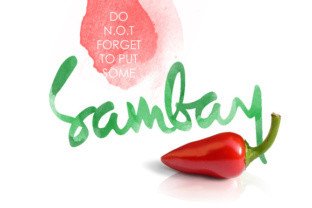
Sambay is a display font characterized by its brush stroke style. It mimics the look of hand-lettering with a marker or paintbrush, giving text an organic, human-made quality. The font is notable for its legibility despite its casual construction, making it readable even at relatively small sizes for a display face. Its letterforms are designed to feel spontaneous, yet the overall character set is consistent enough to be used in cohesive design work.
As a brush stroke font, Sambay sits in a category of typefaces that prioritize texture and personality over geometric precision. This sets it apart from clean sans-serifs or formal serifs, and it appeals to designers looking to add warmth and approachability to their layouts.
Key Characteristics That Define Sambay
Understanding the core attributes of Sambay helps clarify whether it aligns with your project needs. Here are the most relevant features:
- Brush stroke texture: Each letter shows variation in stroke width, simulating pressure and speed of a real brush. This creates a natural, imperfect look.
- Relaxed, informal tone: The font conveys a casual, friendly, and approachable feel. It does not appear stiff or overly polished.
- Legibility for a display font: Despite its textured style, letterforms are distinct and readable, which is not always true for brush-type faces.
- Character weight and presence: Sambay has a bold appearance that makes it suitable for headlines and short text blocks, but less ideal for long body copy.
- Versatile charm: The font can evoke handcrafted branding, creative editorial work, or informal signage without feeling gimmicky.
Why Consider Sambay for Your Project?
Designers often turn to brush stroke fonts like Sambay when they want to break away from sterile, machine-made aesthetics. Here are situations where Sambay can be a strong fit:
Branding That Needs Warmth
If you are developing a brand identity for a small business, café, artisan shop, or creative studio, Sambay can bring a human touch. The handcrafted feel signals authenticity and care—qualities that resonate with audiences seeking genuine experiences. The font can work well for logos, product labels, and signage where the brand voice is friendly and unpretentious.
Editorial and Poster Design
For magazine covers, posters, or event flyers that require a focal headline, Sambay offers visual impact without being overwhelming. Its texture adds depth, and its legibility ensures the message is read quickly. It pairs well with neutral sans-serif fonts for body text, creating a contrast between expressive headlines and clean supporting content.
Digital Media That Needs Character
In digital contexts such as social media graphics, website hero sections, or video thumbnails, Sambay can stand out in a crowded feed. Its organic shape catches the eye and suggests a less corporate, more personal brand presence. However, it is important to test readability on smaller screens, as fine details may become less distinct at low resolutions.
Creative Packaging
Product packaging that aims for a handcrafted or premium look can benefit from Sambay's brush texture. It works well for food products, handmade goods, and limited edition items where the font complements the product's story.
Tradeoffs and Considerations
No font is a universal solution, and Sambay comes with tradeoffs that are important to weigh before committing to it.
Limited Suitability for Body Text
Like most display fonts, Sambay is not designed for extended reading. Using it for paragraphs or dense information will strain the reader's eyes. The brush stroke texture, while appealing in headlines, becomes distracting in large blocks of text. For body copy, a simpler, more legible font is recommended.
Stylistic Constraints
The relaxed, handcrafted tone of Sambay may not suit every brand or industry. For example, corporate law firms, financial institutions, or medical organizations typically require more formal and restrained typefaces. Using Sambay in such contexts could undermine credibility or appear unprofessional. It is essential to match the font's personality with the brand's voice.
Pairing Challenges
Because Sambay has a strong visual character, it does not pair well with other highly expressive fonts. Designers need to choose complementary typefaces carefully—usually a clean, neutral sans-serif or a simple serif that does not compete for attention. This requires thoughtful typographic hierarchy and may limit flexibility.
Legibility in Small Sizes
While Sambay is more legible than many brush fonts, it still loses clarity when scaled down. Fine stroke details may blur, especially on screens or in print at small point sizes. For headings above 24pt, this is less of an issue, but for subheadings or secondary text, caution is warranted.
When Alternatives May Be Worth Considering
Sambay is not the only brush stroke font available, and in some cases, other options may better serve your needs. Here are scenarios where exploring alternatives makes sense:
When You Need a Lighter Weight
Sambay has a fairly bold presence. If your project requires a more delicate, airy brush script, other fonts with lighter stroke weights or more varied thickness may be a better match. Lighter brush fonts can feel more elegant and less imposing.
When You Want More Formal Brush Aesthetics
Some brush fonts lean toward calligraphic precision rather than casual spontaneity. If your design requires a brush look that still feels refined and structured, consider fonts with more controlled letterforms and consistent angles.
When Legibility at Small Sizes Is Critical
For applications where text appears in multiple sizes and all must remain readable, a simpler sans-serif or a serif with clean lines would outperform any brush font. In such cases, reserve Sambay for the most prominent headings and use a more utilitarian font for everything else.
When License or File Format Constraints Exist
Before finalizing a font choice, verify that Sambay's license matches your intended use—commercial projects, web embedding, or app development. Some brush fonts have restrictive licenses. If Sambay does not cover your use case, another font with broader permissions may be necessary.
Practical Decision-Making Insights
To determine whether Sambay aligns with your goals, evaluate the following factors:
- Project context: Is the overall design casual or formal? Does the brand voice prioritize authenticity and warmth, or authority and precision? Sambay works best in informal, creative, and human-centered contexts.
- Typographic hierarchy: Plan where Sambay will sit in the visual hierarchy. It should be reserved for primary headings and short emphatic elements, not for body text or dense information.
- Pairing strategy: Identify a clean, neutral companion font ahead of time. Test how they work together in mockups. A poor pairing can undermine the entire design.
- Testing across media: Test Sambay in the actual sizes and formats you will use—print, web, mobile, or social media. Legibility and texture can vary significantly between mediums.
- Audience expectations: Consider what your audience will perceive. A handcrafted font signals approachability, but it may also be seen as less serious. Make sure this matches the message you want to send.
Strengths at a Glance
- Adds a handcrafted, authentic feel to designs
- Legible for a brush display font
- Works well for headlines, branding, and packaging
- Creates a warm, approachable tone
- Distinctive texture that stands out from standard fonts
Limitations at a Glance
- Not suitable for body text or small sizes
- Limited to informal and creative contexts
- Requires careful pairing with simpler fonts
- May not suit more formal or serious brand identities
- Fine details can diminish in low-resolution digital formats
Final Thoughts on Sambay
Sambay is a competent and visually appealing brush stroke font that delivers on its promise of a handcrafted, relaxed aesthetic. For designers working on brands, posters, packaging, or digital content that benefits from a personal touch, Sambay can be a valuable asset. Its legibility sets it apart from many other brush fonts, making it more practical for real-world use.
However, it is not a one-size-fits-all solution. The font's stylistic character imposes clear boundaries, and it requires thoughtful integration into a broader typographic system. Designers who pair it with a neutral companion and reserve it for high-impact, short-form text will get the most out of it. For projects that demand formality, dense text, or extremely small sizes, alternatives will serve better.
Ultimately, the decision comes down to fit. If your project calls for warmth, texture, and a human touch, Sambay is worth testing. If you need versatility across multiple text roles or a more restrained tone, it may be better to look elsewhere. By understanding both the strengths and tradeoffs, you can make an informed choice that supports your design goals without compromising usability.