Rough Tough: The Font That Embraces Imperfection for Real-World Impact
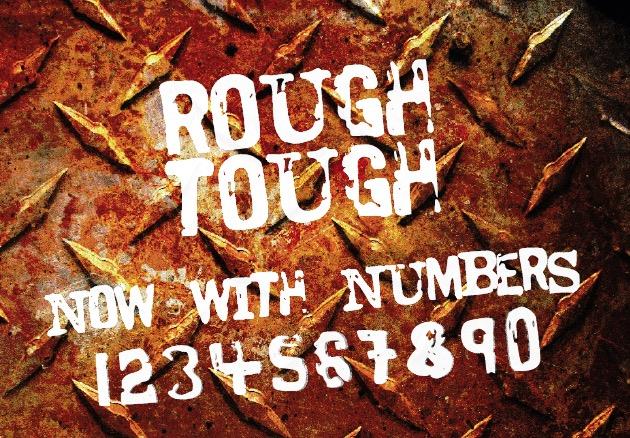
There is something about a weathered, beaten-up poster that just stops you in your tracks. Perfect, clean typography blends into the background, but a letterform that looks like it has been through something, like it was printed on a worn-out press and left out in the rain, that demands attention. That is the exact energy behind Rough Tough. This is not a font designed for subtlety or polish. It was born from rubber stamps, scanned in, and then deliberately distorted in Photoshop with the raw, ripped aesthetic of old display posters in mind. The rougher the better, and that roughness is exactly what makes it so useful in a surprisingly wide range of situations.
When you hear the name, you probably picture something gritty, and that is accurate, but Rough Tough is more than just a distressed typeface. It is a tool for creating immediacy, authenticity, and a tactile sense of history in a world that is increasingly digital and sterile. It speaks to a specific kind of visual language that resonates deeply with audiences who are tired of the overly polished and the manufactured.
Where Rough Tough Makes the Most Sense
You do not use a font like this for a bank brochure or a corporate annual report. That would be like wearing combat boots to a black-tie gala. It is the wrong tool for the job. But if you are working on any project that needs to feel grounded, urgent, or like it has a backstory, Rough Tough starts to shine. Think about a local music venue promoting a punk show. The flyer needs to feel like it was ripped off a telephone pole. Clean, vectorized type just will not sell the experience the same way a font that looks like it has been stomped on and left in the alley will.
Small breweries are another perfect match. Craft beer culture thrives on authenticity and a slightly rebellious, handcrafted vibe. A label for a barrel-aged stout or a bold IPA needs to feel as robust as the drink itself. Using Rough Tough for the beer name or the hop varietals immediately communicates that this is not a mass-produced, sanitized product. It tells the consumer that there is real character and maybe even a little bit of dirt under the fingernails involved in making it.
For clothing brands that lean into a workwear, vintage, or motorcycle aesthetic, this font becomes a statement. A simple hoodie with a company name set in Rough Tough instantly looks like a piece of gear that has been around the block. It feels earned. It avoids the shiny, fast-fashion look and instead borrows the visual weight of a worn-out shop sign or a faded patch on an old denim jacket.
Who Reaches for a Font Like This
The audience for Rough Tough is more diverse than you might initially think. A graphic designer working on a horror movie poster will gravitate towards it because the distortion and irregular edges add a layer of unease and organic decay that clean type cannot replicate. A social media manager for a streetwear brand might use it for story highlights or limited drop announcements to create a sense of urgency and exclusivity. It is the typographic equivalent of saying "these won't last long" without using any words.
Independent authors and zine creators have probably the most natural connection to this style. If you are self-publishing a collection of short stories about life on the fringes, or a poetry chapbook about decay and renewal, the visual packaging matters as much as the words inside. Rough Tough on the cover sets the tone before a single line is read. It promises raw emotion and unfiltered narrative.
Even event promoters and festival organizers use this type of aesthetic. A food truck rally, a flea market, or a motorcycle rally all benefit from the same visual language. The font suggests that the event is not overly corporate or tightly controlled. It promises a more relaxed, organic experience where the focus is on the real stuff, the food, the goods, and the people.
Practical Considerations Before You Start Using It
Grainy and distorted typefaces come with their own set of challenges that you need to be aware of, especially if you are designing for a client or a broader audience. Legibility is the first and most obvious checkpoint. Rough Tough, by its very nature, sacrifices some clarity for character. That is a worthwhile trade-off in many contexts, but you have to be smart about how you deploy it.
- Size matters. This font works best at larger sizes where the rough edges and distortions become part of the texture rather than a source of confusion. Using it for body text or detailed copy would be a mistake. Headlines, titles, short slogans, and key numbers are its natural habitat.
- Contrast is your friend. Because the letterforms are already busy with texture and irregular outlines, you want to pair it with a clean, simple background. A stark black on off-white, or a gritty white on a dark, moody photo works well. Avoid placing it on heavily patterned or cluttered backgrounds where it will get lost and become unreadable.
- Color palette. Muted, vintage, and earthy tones feel natural with this font. Neon colors or overly bright gradients can clash with the raw, distressed vibe and make the design feel inconsistent. Think faded reds, muddy yellows, charcoal grays, and dirty whites.
When It Excels and When It Falls Short
The strength of Rough Tough is its ability to inject personality and a sense of place into a design instantly. It is a shortcut to authenticity. In a landscape where so much visual communication looks identical, a font that feels like it was physically made, stamped, and torn creates a memorable impression. It grabs people who are tired of looking at the same polished, vector-based graphics everywhere.
It also handles a certain amount of abuse very well. Because the baseline of the font is already irregular and distressed, small printing imperfections or screen rendering issues become part of the aesthetic rather than flaws. That is a practical advantage. If you are screen printing t-shirts, the natural unevenness of the ink will blend perfectly with the design. If you are posting on social media, the compression artifacts can actually add to the grungy feel.
On the other hand, this is not a font for broad communication. It will not work for a mass-market product that needs to appeal to a wide and conservative demographic. A grocery store flyer or a children's educational app would feel jarring and inappropriate with this level of rawness. It also requires a certain level of design confidence to use well. If you are hesitant and try to treat it like a regular font, sizing it too small or placing it in a clean, modern layout, it will look like a mistake rather than a deliberate choice.
Different Users, Different Wins
How you benefit from Rough Tough really depends on what you are trying to accomplish. A small business owner who runs a vintage motorcycle repair shop might use it on a simple sign or a sticker. For them, the font is an extension of their brand identity. It tells customers that the work done inside is honest, hands-on, and built to last, not just quick and clean.
A content creator who makes videos about urban exploration or abandoned places will find that using Rough Tough for thumbnails and channel banners immediately sets the mood. It aligns the visual brand with the subject matter before anyone even clicks play. The font becomes a signal that the content is raw, real, and unpolished in the best way.
For a printmaker or a letterpress enthusiast, the font is a digital bridge to an analog process. It allows them to achieve a look that would traditionally require a lot of physical wear and tear on type blocks and plates, saving time while still delivering the aesthetic that their audience expects.
Making the Rough Tough Choice Work for You
If you are considering using a font like this, the best approach is to lean into its limitations. Do not try to clean it up or make it behave. Let it be loud, irregular, and dominant. Use it as a centerpiece and build the rest of the design around its personality. A single word in Rough Tough at a large size, paired with a simple, clean sans-serif for any additional information, creates a tension that is visually appealing and easy to digest.
It also helps to think about the substrate. If you are designing for print, consider what kind of paper or material you will be using. A rough, uncoated stock will amplify the texture of the font. A glossy surface might create an interesting contrast between the rough type and the smooth finish. For digital use, adding a subtle noise overlay or a slight blur behind the text can help it feel more integrated into the design rather than just dropped on top.
Rough Tough is not for every job, and it is not trying to be. It is a specialist tool for a specific kind of visual communication. But when the project calls for grit, history, and a no-nonsense attitude, it delivers exactly what it promises. It is a font that understands the power of looking a little bit worn out.