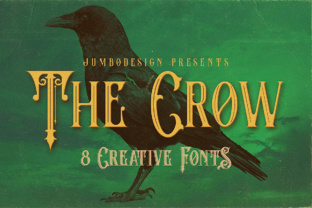
The Crow: A Serif Font That Blends Vintage Charm with Modern Versatility
In a landscape where digital design often favours clean, minimalist sans-serif typefaces, a growing number of creators are rediscovering the expressive power of serif fonts with personality. Among them, The Crow stands out as a stellar and unique serif font that offers something genuinely rare: eight distinct styles spanning regular and grunge, inline and inline grunge, shadow and shadow grunge, inline shadow and inline shadow grunge. With a vintage appeal that recalls handcrafted signage and letterpress work, The Crow is both a robust and attention-grabbing typeface. It is not merely a font; it is a toolkit for injecting character and depth into any project.
This article explores why The Crow matters today, how it fits into current design and content trends, and what practical value it brings to professionals, creators, and everyday users who want their typography to do more than just convey words.
What Makes The Crow Unique? The Power of Eight Styles
The Crow is not a single font but a family of eight interconnected styles that allow designers to switch seamlessly from clean readability to textured, weathered expressions. The regular style provides a solid serif foundation with sharp serifs and a slightly condensed structure. The grunge variant introduces distressed edges that evoke aged printing plates, making it ideal for posters, album covers, or any project requiring an organic, worn feel. Inline styles add delicate white lines inside the letterforms, giving a refined, engraved appearance. Shadow styles create a subtle 3D effect, while inline shadow combines both for a layered, dimensional look.
This variety means The Crow can serve multiple roles within the same brand or project. For example, a business might use the regular style for body text on a website, the inline style for elegant headings, and the shadow grunge for a limited-edition product label. The coherence across styles ensures visual harmony without monotony.
Why Vintage Appeal Resonates in Modern Design
The current design climate shows a strong pull toward nostalgia, authenticity, and handmade aesthetics. Vintage fonts like The Crow tap into a desire for warmth and history in a digital world that can feel cold and homogeneous. The resurgence of interest in letterpress, old signage, and 19th-century typography is not just a fad; it reflects a broader cultural shift toward valuing craftsmanship and uniqueness. Brands across industries—from craft breweries to boutique consultancies—are using vintage serifs to communicate trust, tradition, and quality without appearing outdated.
The Crow’s grunge and shadow styles align perfectly with this trend. They offer texture and depth that flat, modern fonts cannot replicate. When used in digital media, these styles evoke a tactile quality that encourages viewers to linger. On social media, a headline set in The Crow Inline Shadow stops the scroll. In print, The Crow Grunge adds a touch of rebellion to otherwise standard layouts.
Eight Variations, Infinite Possibilities: Practical Use Cases
Understanding how to deploy The Crow’s styles effectively can elevate any project. Below are practical examples across different contexts.
Branding and Identity
For brands aiming to project a rugged, artisan, or historical image, The Crow is a natural choice. A coffee roaster might use the regular style for its logo, the inline grunge for packaging, and the shadow style for promotional materials. The consistency across styles ensures the brand remains recognisable while offering visual interest. Marketers and business owners can use The Crow to differentiate their visual identity from competitors who rely on generic sans-serif fonts.
Editorial and Print Design
Magazines, newsletters, and books benefit from The Crow’s versatility. Headlines set in the inline shadow style draw the eye, while body text in the regular style remains legible at smaller sizes. The grunge variant works well for pull quotes or section dividers, adding a tactile break in the layout. For educators creating handouts or workshop materials, the inline style can make titles feel more inviting and less sterile than a standard bold.
Digital Content and Social Media
Bloggers and freelancers need fonts that perform on screens. The Crow’s regular style is clear and readable even on mobile devices. For Instagram stories or YouTube thumbnails, a short phrase in The Crow Shadow Grunge creates a striking focal point. The inline style works beautifully for watermarks or subtle overlays on images. Because the styles are designed as a set, switching between them for different platforms feels intentional rather than inconsistent.
Event and Invitation Design
Weddings, galas, and themed parties often call for elegant yet distinctive typography. The Crow’s inline and shadow variants evoke engraved invitations from a bygone era. The grunge styles can be used for rustic or outdoor events, while the regular style keeps details like dates and locations clearly legible. The flexibility allows event planners to create a cohesive look across save-the-dates, programs, and signage without hiring a dedicated typographer.
How The Crow Fits into Current Typography Trends
Typography trends in the early 2020s have moved away from generic minimalism toward maximalism, layering, and mixed textures. Designers are experimenting with font combinations, overlapping elements, and dimensional effects. The Crow’s built-in inline and shadow features anticipate this trend, eliminating the need for manual effect creation in software like Photoshop or Illustrator.
Another trend is the embrace of “imperfect” or hand-drawn typography. Grunge fonts simulate the organic irregularities of letterpress or wood type, which is precisely what The Crow Grunge offers. It adds a human touch without sacrificing structure. This is especially valuable for content creators who want their visuals to feel approachable and authentic rather than overly polished.
Furthermore, the demand for variable and multi-style fonts is growing. Instead of buying five different fonts for a project, designers can rely on The Crow’s eight styles as a self-contained typographic system. This streamlines workflows and ensures consistency across media, which is a practical advantage for busy professionals and small teams.
Practical Recommendations for Using The Crow
To get the most out of The Crow, consider the following strategies:
- Pair with simplicity. Because The Crow has strong character, pair it with clean sans-serif fonts for body text or supporting elements. A simple sans like Helvetica or Open Sans balances The Crow’s vintage density.
- Use grunge sparingly. The grunge styles are powerful attention-getters. Reserve them for focal points such as titles, logos, or short callouts. Using grunge on large blocks of text can reduce legibility.
- Layer inline and shadow styles. For a truly dimensional look, combine The Crow Inline Shadow style with a subtle background texture. This works exceptionally well for poster headlines or social media graphics.
- Test readability at different sizes. The regular style is quite legible at 12–14pt for body text, but the inline and shadow styles are best used at larger sizes (24pt and above) to preserve the open counters and shadow effects.
- Stay on brand. If your brand voice is playful or rebellious, the grunge and shadow variations can reinforce that tone. For a more refined brand, stick with the regular and inline styles to maintain elegance.
Who Benefits Most from The Crow?
The Crow is relevant for a wide audience. Graphic designers gain a versatile tool that reduces the need to build effects manually. Marketers and business owners can create distinctive brand assets without extensive design training. Bloggers and content creators can produce eye-catching headers and thumbnails that stand out in crowded feeds. Educators and hobbyists can add personality to presentations, flyers, and personal projects without investing in multiple fonts.
For freelancers and entrepreneurs, The Crow represents an efficient investment: one font that covers many typographic needs. Instead of buying separate fonts for headlines, body text, and display, this family provides the range in a single purchase. This aligns with modern workflows that value speed, flexibility, and consistent visual identity.
Why Typography Choices Matter More Than Ever
In an age of information overload, typography is a silent but powerful communicator. A font’s style, weight, and texture instantly signal the mood and credibility of a message. Serif fonts like The Crow convey authority and tradition, while the grunge and shadow variants add edge and artistic intent. For professionals trying to cut through the noise, the right font can differentiate a brand or project from the hundreds of others using standard web-safe typefaces.
Moreover, the trend toward greater visual expression means that audiences expect more from design. Flat, generic fonts can make a well-written article or a solid product seem less compelling. Using a distinctive, multi-style font like The Crow shows attention to detail and a willingness to invest in quality aesthetics. It signals that the creator cares about the whole experience, not just the content.
Final Thoughts on The Crow
The Crow is not just a font for nostalgia’s sake; it is a carefully designed tool that meets the demands of contemporary design. With its eight styles, it bridges the gap between classic serif elegance and modern grunge, shadow, and inline effects. Its vintage appeal is authentic, not derivative, because it builds on traditional serif structures while adding creative variations that designers actually use.
Whether you are designing a new brand identity, laying out a magazine, creating social media graphics, or crafting a wedding invitation, The Crow offers a cohesive range of options. It encourages experimentation while providing a safe anchor in its regular style. For anyone who values typography as more than just a vehicle for text, The Crow is a font worth exploring. Its robust character and attention-grabbing styles make it a standout choice in a sea of generic typefaces, and its practicality ensures it will be used, not just admired.
As the lines between digital and print, clean and dirty, classic and contemporary continue to blur, The Crow sits comfortably at the intersection. It is a font that respects tradition while embracing the expressive possibilities of the present.