Zelda Font: Where Art Deco Elegance Meets Modern Versatility
Typography has a unique power to shape perception. A single typeface can evoke an entire era, set a mood, or define a brand's personality. Few fonts manage to bridge the gap between nostalgic charm and contemporary utility as seamlessly as Zelda. This typeface, with its roots firmly planted in Art Deco design, offers a visual language that feels both timeless and fresh. It is a study in contrasts—modern yet vintage, bold yet delicate, ornate yet highly functional. For designers seeking a typeface that commands attention through typographic purity rather than excessive embellishment, Zelda presents a compelling choice.
At its core, Zelda is a celebration of structure. The Art Deco movement, which flourished in the 1920s and 1930s, was defined by geometric shapes, symmetry, and a sense of luxurious precision. Zelda captures this essence perfectly. Every character is built with clean lines and balanced proportions, yet there is an undeniable warmth and personality in the way the letters interact. It is a font that does not shout; it resonates. Whether used in a headline, a logo, or a short block of display text, it brings a sense of refined craftsmanship that immediately elevates the content.
The Unmistakable Art Deco DNA of Zelda
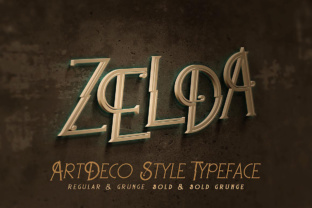
What makes Zelda stand out in a crowded field of decorative typefaces is its authentic connection to the Art Deco aesthetic. This is not a generic vintage revival. The designers behind Zelda have painstakingly studied the architectural and typographic details of the early 20th century, translating them into a digital typeface that retains the original spirit while ensuring modern usability. The result is a font that feels historically grounded but never dated.
Look closely at the letterforms. You will notice the hallmark characteristics of Art Deco typography: sharp angles paired with gentle curves, high contrast between thick and thin strokes, and a vertical emphasis that gives each character a sense of stature. The terminals are often crisp, and the serifs, where present, are geometric and stylized. Zelda does not rely on flourishes or extravagant swashes to make an impression. Instead, it finds its beauty in the pure geometry of the letter, the negative space around it, and the rhythmic pattern created when words are set in a line.
This focus on structure over ornamentation is what makes Zelda so versatile. It can handle large display sizes where every detail is visible, and it can also hold its own in smaller contexts where the clarity of the letterforms becomes paramount. The font's delicate attention to detail is not lost at smaller scales; rather, it becomes a subtle texture that enhances readability.
Typography as the Main Focus: Why Zelda Shines on Its Own
In an age of complex visual branding, where photographs, illustrations, and elaborate graphics often dominate, there is a growing appreciation for typography-led design. Zelda is a perfect vehicle for this approach. When typography is the main focus, the typeface must be strong enough to carry the entire visual weight of a project. Zelda does this with remarkable grace.
Consider a simple business card. With Zelda, you could set the company name in a large size, add a tagline in a lighter weight, and include contact details in a complementary sans serif. The entire card becomes a typographic composition. No logos, no images, no borders—just the power of well-chosen letters. The same principle applies to posters, book covers, and even website headers. Zelda encourages designers to trust the typeface and let it speak for itself.
This does not mean Zelda is limited to minimalistic layouts. On the contrary, it pairs beautifully with intricate decorative elements, as long as they are thoughtfully chosen. A geometric border inspired by Art Deco patterns, a subtle metallic gold accent, or a textured background can all work in harmony with Zelda. But the font remains the anchor. It grounds the visual identity and provides a clear focal point.
Practical Applications: Where Zelda Fits into Modern Workflows
Designers often wonder whether a highly stylized typeface like Zelda has a place in contemporary projects. The answer is a resounding yes. Its versatility extends across multiple industries and media.
Branding and Identity
Zelda is an excellent choice for brands that want to convey sophistication, heritage, or a handcrafted quality. Boutique hotels, high-end restaurants, art galleries, and fashion labels can all benefit from its elegant demeanor. It works particularly well for niche products that value authenticity. Imagine a small-batch gin brand with a label set in Zelda, or a luxury stationery line using it for letterheads and monograms. The font communicates a sense of curated taste without being pretentious.
Editorial and Publishing
For magazines, book covers, and editorial layouts, Zelda offers a distinctive voice. It is ideal for headlines, pull quotes, and chapter titles. Its Art Deco roots make it a natural fit for content related to the 1920s or 1930s, but it can also be used in modern editorial contexts where a touch of retro elegance is desired. Lifestyle magazines and design journals frequently turn to typefaces like Zelda to add visual interest to their spreads. The font's readability, even at larger sizes, ensures that the message remains clear.
Web and Digital Design
Using a decorative font on the web requires careful consideration of legibility and loading times. Zelda, however, translates well to digital screens. Its clean lines and high contrast maintain clarity even on lower-resolution displays. For hero sections, landing page headers, or navigation menus, Zelda can create a memorable first impression. When paired with a neutral, highly legible sans serif for body text, the contrast is striking. Many designers are using Zelda in combination with modern web fonts to create layouts that feel both nostalgic and innovative.
Packaging and Product Design
Product packaging is another area where Zelda excels. In a competitive retail environment, packaging must capture attention quickly. Zelda's distinctive silhouette stands out on shelves, especially when used for premium or artisanal products. Cosmetics, chocolates, teas, and spirits all benefit from the font's association with quality and craftsmanship. The delicate details in the letterforms suggest a level of care that extends to the product itself.
Key Considerations Before Choosing Zelda
As with any specialized typeface, there are practical factors to consider before integrating Zelda into a project. Understanding these will help you make the most of its strengths.
- Legibility at Small Sizes: While Zelda is highly readable in display settings, its contrast-heavy strokes can become a challenge at very small sizes, especially for body text. It is best used for headlines, titles, and short blocks of copy. For long-form reading, pair it with a more neutral companion font.
- Weight and Style Options: Check the available weights in the Zelda family. A good range of weights—from light to bold, with italic variants—gives you more flexibility in creating hierarchy and contrast within a design. The more styles available, the easier it is to build a complete typographic system around the font.
- Context and Audience: Zelda carries a strong stylistic flavor. It works wonderfully when the brand or project aligns with that aesthetic. For a tech startup aiming for a futuristic minimal look, Zelda might feel out of place. Knowing your audience and the emotional tone you want to achieve is crucial.
- Pairing with Other Fonts: Zelda pairs exceptionally well with clean, geometric sans serifs like Futura, Century Gothic, or Montserrat. It also works with classic serifs when you want a more traditional feel. Avoid pairing it with other ornate or decorative typefaces, as the result can be visually cluttered.
Real-World Scenarios and Observations
I have seen Zelda used in a range of projects, and its performance often exceeds expectations. One memorable example was a wedding invitation suite. The couple wanted something elegant and timeless, with a nod to the Art Deco architecture of their venue. Using Zelda in a deep navy blue on cream cardstock, with delicate gold foil accents on the initial letter, created an invitation that felt both personal and polished. The typography carried the entire design. There were no images, no illustrations—just beautifully arranged text. The result was understated and powerful.
Another observation: Zelda works exceptionally well in monochrome. Because its beauty lies in the structure of the letters rather than in color or texture, it can be used effectively in black and white or grayscale designs. This makes it a valuable tool for print projects where color printing is not an option, such as newspapers, low-cost brochures, or photocopied materials. The font does not lose its impact when stripped of color.
For digital designers, Zelda offers an opportunity to break away from the ubiquity of standard web fonts. A portfolio site for a graphic designer or a photographer could use Zelda in the header to immediately establish a distinctive visual identity. The font's retro-modern feel signals creativity and attention to detail, which are exactly the qualities a creative professional wants to convey.
Observations on Structure and Detail
What I find most impressive about Zelda is the consistency of its structure across the entire character set. The uppercase letters are particularly well-executed, with a stately, architectural quality. The lowercase letters, while slightly softer in form, maintain the same geometric rigor. This consistency means that headlines set in all caps have a monumental feel, while mixed-case text feels approachable and refined.
The numerals are another highlight. They are elegant and highly legible, making Zelda a strong choice for price lists, menus, and event dates. The ampersand, a character often used as a typographic signature, is beautifully crafted and adds a touch of sophistication wherever it appears.
In terms of spacing, Zelda benefits from careful kerning. The default letter spacing is generally well calibrated, but for headline use, you may want to adjust it slightly to achieve the perfect balance. The open, airy feeling of the font is one of its defining characteristics, and proper spacing accentuates that quality.
Final Thoughts on Working with Zelda
Zelda is more than just a pretty typeface. It is a tool for communication that carries a distinct voice. Its blend of modern and vintage aesthetics, rooted in Art Deco design principles, makes it a versatile choice for a wide range of projects. Whether you are building a brand, designing a publication, or creating a digital experience, Zelda offers a way to make typography the central element of your design. The delicate attention to detail in every letterform rewards those who take the time to appreciate and work with it.
For designers who believe that type can be both functional and beautiful, Zelda provides a rich palette to explore. It invites you to slow down, to consider the weight of each character, and to build compositions that are as structured as they are expressive. In a world of fleeting visual trends, a typeface with this level of thoughtfulness remains a reliable and inspiring choice.