Paxalah Arabic Font: Pixel Art Meets Arabic Typography
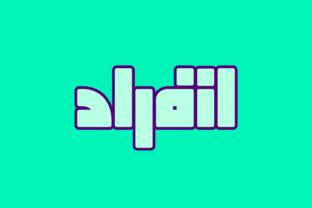
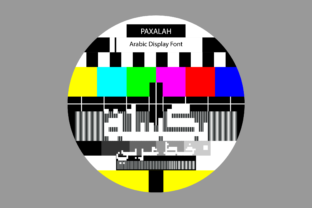
Arabic script has always carried a deep visual heritage, but digital culture has opened new ways to reinterpret it. Paxalah Arabic Font captures that shift by borrowing the blocky charm of early computer graphics and applying it to Arabic letterforms. The name itself merges "pixel" with the Arabic slang term for pixelation, giving you a clear signal of what this typeface is about: a deliberate, playful, and structured nod to 8-bit visuals. This is not a font that tries to disappear into the background. It announces itself with rigid edges, square curves, and a rhythm that feels both retro and modern.
For designers, marketers, and content creators working with Arabic text, Paxalah offers a distinctive alternative to standard Naskh or Kufi styles. It works best when you want to break away from expected norms and introduce a sense of nostalgia, digital culture, or bold visual structure. Whether you are designing a gaming banner, a streetwear logo, a social media campaign, or a print poster for an event, this font brings a unique voice to your project.
What Makes Paxalah Different from Other Arabic Fonts
Most Arabic typefaces aim for smooth curves, flowing connections, and balanced proportions. Paxalah does the opposite in a controlled way. It reduces letterforms to their essential grid-based shapes. Each character is built from small square units, which creates a uniform, blocky appearance. This approach forces you to see the structure of Arabic letters differently. The dots, the baseline connections, and the ascenders all become part of a larger pixel grid.
The result is a font that feels systematic and handmade at the same time. It retains legibility while leaning into abstraction. Because the pixel structure is consistent, Paxalah works well at larger sizes where the individual blocks become visible and add texture. At smaller sizes, the letterforms remain readable as long as you avoid extreme compression. This makes it especially suitable for headlines, logos, short phrases, and display purposes rather than long body text.
Another important aspect is how Paxalah handles the cursive nature of Arabic script. Traditional Arabic fonts rely on smooth joins between letters. Paxalah translates those joins into stepped transitions. The result is a staccato rhythm that mimics the look of old video game text or early digital signage. This gives your design an instant retro computing vibe without losing the cultural specificity of Arabic writing.
Creative Uses Across Media and Platforms
Paxalah Arabic Font opens up several distinct creative directions. Here are practical ways to apply it depending on your medium and audience.
Web Design and Digital Interfaces
If you are building a website for a gaming community, a tech startup, or a creative portfolio, Paxalah can serve as a strong heading font. Pair it with a clean sans-serif for body text to avoid visual overload. Use it for main titles, navigation labels, or hero section quotes. Because the pixel structure creates a sense of order, it works well in grid-based layouts. Consider using it in monochrome or duotone color schemes to emphasize the blocky edges.
For landing pages that target a younger or digitally native audience, Paxalah adds an element of playful confidence. It signals that your brand understands retro aesthetics without trying too hard. Keep the background simple. A solid color or a subtle gradient lets the font stand out without competing textures.
Print Design and Posters
In print, Paxalah shines at large sizes. Concert posters, event flyers, and art exhibition titles benefit from its strong geometric presence. Because the pixel edges are crisp, the font reproduces well on offset and digital printing. You can also experiment with color blocking inside the letterforms. Since each character is built from squares, you can fill individual pixel areas with different colors in vector software to create custom patterns.
For stickers, badges, or merchandise, Paxalah gives a retro arcade feel. A simple white or black version on a colored background reads clearly even at small sizes. Streetwear brands and independent labels often use this style to evoke early video game culture or 8-bit art movements.
Advertising and Social Media
Short, punchy messages work best with Paxalah in advertising. Use it for Instagram stories, YouTube thumbnails, or TikTok overlay text. The font grabs attention quickly because it looks unlike most standard Arabic scripts. A single word or a short phrase in Paxalah can become the visual hook of your post.
Consider using it for campaign slogans that reference digital themes, retro gaming, or pixel art culture. For example, a brand launching a new app or a game can use Paxalah in its promotional materials to reinforce the digital-native identity. Keep the text brief. One to three words at most. Longer phrases reduce readability and dilute the visual impact.
Adapting Paxalah for Different Audiences
Not every project needs the same treatment. Here is how you can adjust your approach depending on who you are designing for.
For Gamers and Digital Communities
This audience already associates pixel graphics with nostalgia and gaming history. Use Paxalah in full color palettes inspired by classic 8-bit systems. Pair it with chiptune music references or retro interface elements. The font reinforces the theme without needing extra explanation. Keep the design playful and direct.
For Corporate or Professional Contexts
Paxalah might seem informal at first glance, but it can work in professional settings when used sparingly. For example, a tech company presentation or a conference title slide can use Paxalah for the main headline while keeping all other text in a clean sans-serif. The contrast between the blocky headline and the polished body text creates visual interest without sacrificing professionalism. Stick to one or two colors and avoid multiple effects.
For Cultural and Educational Projects
Museums, cultural festivals, or educational platforms exploring digital art history can use Paxalah to bridge tradition and technology. A poster for an exhibition about Arabic calligraphy in the digital age could feature Paxalah alongside traditional scripts to show evolution. The font becomes part of the narrative rather than just decoration. In this context, use neutral or muted colors to let the pixel structure speak for itself.
Practical Tips for Working with Paxalah
Getting the best results from Paxalah requires a few considerations. Here are actionable recommendations.
- Use large sizes for maximum effect. Paxalah is a display font. Aim for 36pt or larger in print and equivalent sizes on screen. This ensures the pixel blocks are visible and recognizable.
- Keep text short. Three to five words maximum per line. Longer text becomes tiring to read and loses the rhythmic quality of the pixel forms.
- Pair with neutral backgrounds. Because the font has strong visual weight, a simple background helps it stay readable. Avoid busy patterns or images behind the text.
- Choose contrasting colors. High contrast between text and background highlights the pixel edges. Black on white, white on dark, or a single bright color on a muted background work well.
- Avoid letter spacing adjustments. The pixel grid is designed to work at specific spacing. Over-tracking or under-tracking can break the visual rhythm.
- Test at different sizes. Before finalizing a design, test Paxalah at the intended output size. Some pixel details may become invisible at very small scales.
Combining Paxalah with Other Design Elements
Paxalah works well in compositions that reference digital culture. Consider adding pixel-like icons, grid patterns, or simple geometric shapes around the text. A bordered frame that echoes the pixel grid can reinforce the theme. If you are designing for motion, think about animating the pixels one row at a time to create a retro loading effect. This kind of subtle motion adds depth without distracting from the message.
Avoid mixing Paxalah with other display fonts that have strong personalities. Let it be the star. If you need a secondary typeface, choose a minimal sans-serif that does not compete for attention. The goal is to let the pixel structure of Paxalah define the visual tone while everything else supports it.
Why Paxalah Matters Now
Arabic typography is experiencing a resurgence in global design. Brands, creators, and institutions are looking for ways to represent Arabic script that feel contemporary and culturally rooted at the same time. Paxalah offers one answer. It takes the universal language of pixel art—familiar to anyone who grew up with early video games or digital screens—and applies it to Arabic letterforms. The result is a font that speaks to both heritage and innovation.
For designers and marketers who work with Arabic audiences, Paxalah provides a tool to stand out in a crowded visual landscape. It is not a font for every situation. But when used with intention, it brings clarity, personality, and a sense of crafted structure. Whether you are building a brand identity, designing a poster, or creating content for social media, Paxalah gives you a fresh way to make Arabic text memorable.