Berry Juice: A Vintage Typeface That Brings Character to Modern Design
Typography is often the quiet hero of visual communication. It sets the mood, conveys personality, and can make or break a design. If you have been searching for a font that feels both nostalgic and distinctive, the typeface known as Berry Juice deserves your attention. Created by Annenkov Dmitriy, Berry Juice is a vintage-looking font that brings warmth, character, and a touch of storytelling to any project. Whether you are a seasoned designer or someone just starting to explore typography, understanding what this font offers and how to use it effectively can elevate your work in surprising ways.
What Berry Juice Is and Why It Matters
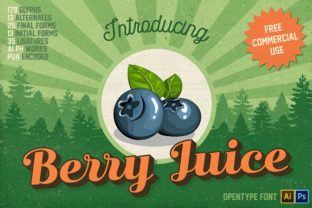
Berry Juice is not just another decorative font. It is a carefully crafted typeface with a deliberately aged, hand-drawn quality that recalls the charm of mid-century signage, retro packaging, and old-fashioned printed materials. The letterforms carry irregular edges, slightly uneven strokes, and a natural imperfection that feels human rather than machine-made. This is precisely what gives Berry Juice its appeal in a world saturated with clean, predictable sans-serif fonts.
The font was designed by Annenkov Dmitriy, a type designer known for creating faces with strong personality and historical references. Berry Juice fits into the broader category of vintage revival typefaces, but it stands out because of its balance between readability and ornamentation. It is not so distressed that it becomes illegible, yet it carries enough texture to evoke a bygone era. For designers and content creators who want to communicate authenticity, nostalgia, or craftsmanship, Berry Juice offers a practical tool that goes beyond mere decoration.
Common Challenges When Choosing a Vintage Font
Finding the right vintage font can be surprisingly difficult. Many options fall into one of two extremes: they are either overly ornamental and practically unusable for body text, or they are too polished and lose the retro feel entirely. Another common frustration is that many vintage fonts lack a full character set, leaving you without the punctuation, numerals, or special characters you need for real-world projects.
There is also the challenge of legibility versus atmosphere. You want a font that sets a nostalgic mood, but you also need your message to be read easily. Some vintage typefaces are so heavily distressed that they strain the eyes after a few sentences. Others are too rigid and fail to capture the organic, handcrafted spirit that vintage aesthetics demand.
Beyond technical limitations, there is the question of appropriate application. A font that looks wonderful on a poster for a craft fair might feel out of place on a corporate website or a formal invitation. Knowing where and how to deploy a vintage font is just as important as selecting the right one.
Berry Juice addresses several of these pain points directly. Its design strikes a thoughtful balance between character and clarity. The letterforms are distinctive without being difficult to decipher, and the font includes a respectable range of glyphs that allow for flexibility across different types of content. Annenkov Dmitriy has created a typeface that feels intentionally worn, but not broken.
How Berry Juice Helps Solve Real Design Needs
When you work with Berry Juice, you are not just picking a pretty font. You are choosing a tool that communicates specific values and emotions. For brands that want to project heritage, handcrafted quality, or a sense of timelessness, this typeface can become a visual anchor. It works especially well in contexts where you want the text to feel like it belongs to an earlier, simpler era.
Consider a small-batch jam producer designing labels for their products. A clean modern font might look generic, but Berry Juice immediately suggests homemade recipes, careful preparation, and tradition. The irregular strokes and slightly uneven baselines mimic the look of hand-lettering, which builds trust with consumers who value authenticity. In this scenario, the font is not just decorative—it is part of the brand story.
Similarly, a wedding invitation designer might use Berry Juice for save-the-dates or ceremony programs. The vintage feel adds romance and nostalgia, especially when paired with muted colors and textured paper stock. The font’s readability means guests can actually read the details without squinting, which is a practical concern that many ornamental fonts overlook.
For digital projects, Berry Juice brings a tactile quality that is often missing on screens. Blog headers, social media graphics, and even email newsletters can benefit from the warmth it provides. When used for headlines or short blocks of text, it creates an immediate emotional connection that more neutral fonts cannot achieve.
Practical Applications and Real-World Outcomes
The versatility of Berry Juice becomes apparent when you consider the range of projects where it can be applied effectively. Here are several scenarios where this typeface delivers strong results:
- Product packaging for artisanal foods, beverages, cosmetics, and handmade goods. The vintage look suggests quality and care, which matters in markets where consumers seek out small-batch and organic products.
- Event collateral such as posters, flyers, and banners for farmers markets, craft fairs, vintage markets, or charity galas with a retro theme. The font draws attention and sets the tone before anyone reads a single word.
- Restaurant menus and café signage, especially for establishments with a rustic or nostalgic interior. Berry Juice can be used for headings, dish names, or even as a display font on chalkboard-style layouts.
- Logos and wordmarks for small businesses that want to convey tradition without looking dated. A simple logotype set in Berry Juice can be memorable and distinct.
- Print materials like business cards, letterheads, and brochures where you want the typography to reflect the personality of your brand.
- Digital content including YouTube thumbnails, Instagram quotes, and website hero sections where a vintage accent adds visual interest.
When designers use Berry Juice intentionally, the outcomes tend to be positive. Audiences often respond with higher engagement because the font feels familiar and comforting. In a landscape where most digital content looks the same, a distinctive typeface can stop the scroll and encourage closer attention. This is not speculation—it is a well-documented pattern in visual communication. Typography that evokes positive emotional associations can improve recall, trust, and even conversion rates.
Considerations for Different Types of Users
How you approach Berry Juice will depend on your experience level and the nature of your project. If you are a graphic designer working with clients, you will want to consider how the font fits into a broader visual system. Berry Juice pairs well with simple sans-serif fonts like Montserrat or Roboto for a modern-retro contrast. You might use it for headlines and subheadings while keeping body text in a neutral, highly readable typeface. This creates hierarchy and prevents the vintage style from overwhelming the layout.
For business owners who are designing their own materials, the learning curve is relatively shallow. Berry Juice is intuitive to use because it behaves like most other fonts once installed. However, it is important to avoid overusing it. A little goes a long way. Using Berry Juice for every line of text on a page can make the design feel busy and hard to read. Reserve it for the most important elements, such as the business name, a tagline, or a featured headline.
Hobbyists and content creators will find Berry Juice a welcome addition to their toolkit. If you make digital art, printables, or social media content, this font can give your work a signature look. It works beautifully with Photoshop brushes that add paper texture or grain, reinforcing the vintage effect. For those who enjoy typography as a creative outlet, experimenting with Berry Juice across different colors, sizes, and backgrounds can be genuinely enjoyable.
One important consideration is licensing. Before using Berry Juice commercially, check the license terms provided by Annenkov Dmitriy or the foundry where the font is sold. Some vintage fonts are free for personal use but require a paid license for branding or products. This is a standard practice in the type industry, and respecting it ensures that designers are compensated for their work.
Recommendations for Getting the Most Out of Berry Juice
To make Berry Juice work well in your projects, keep a few practical guidelines in mind. First, pay attention to spacing and kerning. Because Berry Juice has irregular edges, default letter spacing may sometimes look too tight or too loose. Adjusting kerning manually can make a significant difference in overall readability and visual balance.
Second, consider the color palette you pair with this font. Deep browns, muted greens, warm creams, and faded reds all complement the vintage aesthetic. Bright neon colors or stark white backgrounds may clash with the retro feel, so choose hues that reinforce the era you are evoking.
Third, think about scale. Berry Juice performs best at medium to large sizes where the details of the letterforms are visible. At very small sizes, the texture may become muddy or hard to read. If you need a small text element, consider using a cleaner companion font instead.
Fourth, test the font on your intended output medium. How Berry Juice appears on a screen is not always how it looks in print. If you are designing for print, request a physical proof before finalizing. For digital use, preview the font across different devices and browsers to ensure consistent appearance.
Finally, let the font guide your overall design direction. When you center a project around a typeface like Berry Juice, it is best to keep other elements simple. Let the typography carry the personality, and avoid adding too many competing textures or decorative elements. A minimalist layout with Berry Juice as the focal point often produces the strongest impact.
Why Berry Juice Deserves a Place in Your Font Library
The typefaces you choose say something about how you approach design and communication. Berry Juice, created by Annenkov Dmitriy, offers a rare combination of vintage authenticity and practical usability. It solves the common problem of finding a nostalgic font that does not sacrifice legibility, and it adapts to a wide range of projects from packaging to digital content. For anyone who values warmth, character, and a touch of history in their work, Berry Juice is a resource worth exploring.
Whether you are building a brand identity, crafting promotional materials, or simply experimenting with typography, this vintage-looking font provides a foundation that feels both intentional and inviting. By understanding its strengths and applying it thoughtfully, you can create designs that connect with people on a deeper level—one letter at a time.