Hagen: The Extravagant Fashion Font That Commands Attention
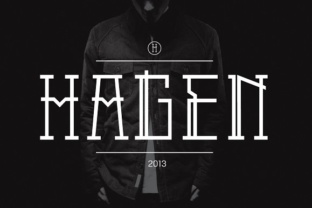
Typography has always been a silent storyteller, but in the age of visual overload, a typeface that dares to be different is worth its weight in gold. Enter Hagen – a font that doesn’t just sit on the page; it steps out, struts, and demands a second look. Inspired by extravagant fashion, Hagen is a true stand out font, carrying the same audacity and elegance you would find on a haute couture runway.
For designers, marketers, and content creators, choosing the right typeface is as critical as selecting the right imagery. Hagen offers a fresh voice in a crowded field, blending ornamental flair with modern legibility. Whether you are working on a luxury brand identity, a bold editorial spread, or a social media campaign that needs to stop the scroll, understanding what makes Hagen tick will give you a powerful tool for visual communication.
The Distinctive Character of Hagen
Hagen is not your conventional sans or serif. It draws inspiration from the dramatic silhouettes, intricate patterns, and confident lines found in extravagant fashion – think of the sweeping trains of a ball gown or the sharp tailoring of a bespoke suit. Every letterform carries a sense of movement and personality, making it ideal for headlines and short blocks of text where impact is key.
What sets Hagen apart is its ability to balance ornamentation with readability. Many display fonts sacrifice legibility for style, but Hagen retains a clear structure. The terminals are often flared, the curves are generous, and the overall impression is one of refined boldness. This makes it suitable not just for high-fashion campaigns but also for product packaging, logo lockups, and event invitations where you want to evoke exclusivity and taste.
Why Hagen Fits Current Design Trends
We are witnessing a shift away from minimalism. For years, safe, neutral typefaces dominated brand guidelines. Today, businesses and creators are embracing maximalism – using vibrant colours, layered textures, and expressive typography to connect emotionally with audiences. Hagen aligns perfectly with this trend toward personality-driven design.
Several factors drive this change:
- Audience fatigue with uniformity – In a sea of clean sans-serifs, a distinctive font instantly differentiates a brand.
- Rise of digital-first branding – Social media, websites, and email newsletters reward bold, memorable visuals.
- Desire for storytelling through design – Consumers want to feel something; a font like Hagen conveys confidence, creativity, and luxury without a single image.
Moreover, as more brands compete for attention in short-form video and static posts, the headline font becomes your most potent weapon. Hagen’s extravagant roots mean it naturally carries a sense of occasion. Whether you are announcing a new collection, promoting a limited edition, or simply trying to elevate your visual identity, Hagen gives you that instant lift.
From Runway to Screen: The Evolution of Typography in Fashion
Typography and fashion have always been intertwined. Think of the bold logos of luxury houses or the iconic covers of fashion magazines. But the relationship has deepened. Today, a font is part of the brand experience, not just a label.
Hagen emerges from a lineage of typefaces that borrow from fashion’s vocabulary. Earlier display fonts like Didot or Bodoni were used in high fashion for their high contrast and elegance. But where those faces are refined and classical, Hagen pushes further – it is unapologetically modern, with flourishes that recall contemporary couture’s love for asymmetry and unexpected details.
This evolution reflects broader changes in how we consume fashion. Digital lookbooks, influencer posts, and e-commerce product pages require text that works on multiple scales. Hagen performs especially well when used in large sizes for headlines, where its lavish features can shine. At the same time, it maintains enough simplicity to be paired with a neutral body font without clashing.
For designers, this means you no longer have to choose between excitement and professionalism. Hagen lets you have both. Its roots in extravagant fashion give it an aspirational quality, while its construction keeps it grounded enough for real-world use.
Practical Implications for Creators and Businesses
Knowing a font’s background is one thing; using it effectively is another. Here is how Hagen can work in real projects, with realistic examples and observations.
Branding and Identity
If you are building a brand around luxury, art, or lifestyle, Hagen can be the cornerstone of your visual identity. A small boutique hotel, for instance, could use Hagen in its logo and main headings to convey an intimate, lavish experience. The font’s extravagant fashion inspiration suggests exclusivity – perfect for businesses that trade on refinement and attention to detail.
Similarly, a high-end cosmetics line could pair Hagen with a clean sans-serif for product names and descriptions. The contrast between the ornate headline and the simple body copy creates a dynamic hierarchy that helps customers navigate the package easily while feeling the brand’s premium positioning.
Digital and Print Applications
Hagen works wonderfully in both realms. In print, its strokes hold up well on coated paper, giving a tactile sensation close to engraved lettering. Use it on invitation cards, lookbooks, or signage where you want a tactile, formal feel.
Digitally, Hagen is best reserved for hero headlines and call-to-action buttons. Because it is a display typeface, avoid using it in long paragraphs – your users will appreciate that you kept it for moments of impact. On Instagram or TikTok, a single word in Hagen can anchor a post and make it instantly recognizable. Many creators are using such fonts to build a cohesive feed that stands out from the generic templates.
Pairing Recommendations
To get the most out of Hagen, pair it with a clean, neutral font. A geometric sans-serif like Montserrat or a subtle humanist face like Lato will let Hagen take the spotlight without overwhelming the reading experience. For body text, choose a font with medium line height and moderate weight to balance the thickness of Hagen.
One effective observation: brands that use an extravagant display font often struggle with legibility in small sizes. Avoid this by reserving Hagen for sizes above 24 points (print) or 36 pixels (digital). In metadata, use a lighter weight if available; many type families now offer multiple weights to accommodate various contexts.
Getting the Most Out of Hagen
As with any strong personality, moderation is key. Here are grounded, practical tips for making Hagen work without overdoing it:
- Limit its use to headlines and short statements. Two or three lines per section is ideal. Overusing Hagen can exhaust the viewer and reduce its special effect.
- Choose the right background. Hagen loves contrast – place it on dark, moody backgrounds for a dramatic edge, or on crisp white for a clean, modern look. Avoid busy patterns behind it unless you want maximum eclectic impact.
- Adjust spacing carefully. Many display fonts benefit from tight tracking (letter-spacing) for logos, but looser tracking for full words. Test your settings; a few pixels can change the readability significantly.
- Use it to create a visual hierarchy. In a poster, let Hagen dominate the title, then use a simpler type for subtitles and body. This gives the design a clear focal point.
- Consider the context. If your audience is corporate or conservative, use Hagen sparingly – perhaps just on the homepage hero or on the cover of a report. For creative industries or consumer brands, you can afford to be bolder.
One more observation: as AI tools become more common in design, unique handcrafted typefaces like Hagen are gaining value. They offer authenticity and a human touch that algorithms cannot replicate. Investing in a distinctive font is not just a design choice; it is a strategic asset.
Bringing It All Together
In an era where brands fight for fractions of a second of attention, Hagen offers a way to stop the scroll and linger. Its roots in extravagant fashion give it an inherent sense of occasion, while its practical construction allows it to work across media. For anyone – from a freelance designer to a marketing director – understanding how to deploy Hagen effectively can elevate your creative output.
The best fonts feel like they were made for a specific purpose. Hagen feels like it was made for moments that matter. Whether you are launching a new product, rebranding a boutique, or simply experimenting with visual identity, consider what Hagen can bring: a touch of runway confidence, a dash of couture drama, and a voice that does not whisper. It announces.
Start with a single headline. Let Hagen do the heavy lifting. And watch how the rest of your design falls into place around it. With careful use and an appreciation for its fashion-forward origins, you will find that Inspired by extravagant fashion, Hagen is a true stand out font – one that earns its place in any serious type library.