Whiskey Town: A Western Font with Personality and Purpose
Typography has a way of setting a scene before a single word is read. Some fonts whisper elegance, others shout authority—and then there are those that practically swagger into the room. If you have been searching for a typeface that feels both rugged and playful, you may have already stumbled across Whiskey Town. This loose, western-inspired font has captured the attention of designers, small business owners, and creative professionals who need their text to carry a sense of place and attitude. But what exactly makes this typeface stand out, and is it the right fit for your next project? Let’s pull up a stool and explore what Whiskey Town brings to the table.
What Exactly Is Whiskey Town?
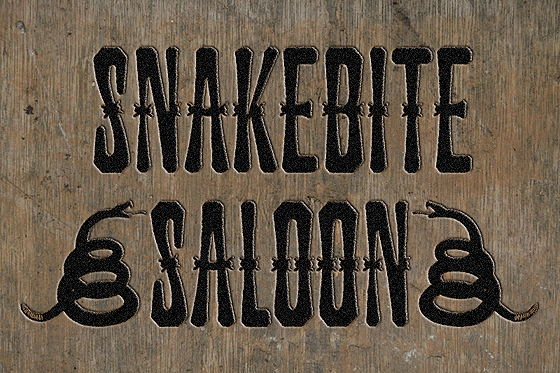
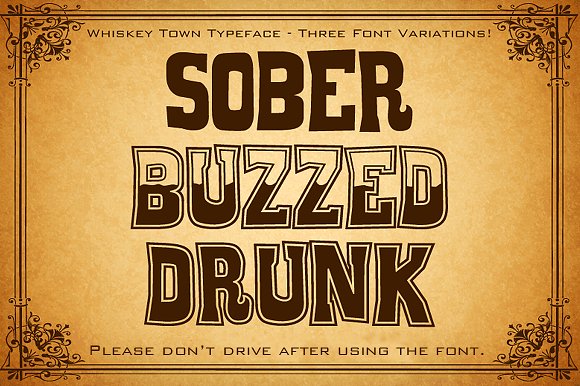
At its core, Whiskey Town is a display font that channels the spirit of the American West. Think weathered saloon signs, dusty trail maps, and hand-painted lettering on a wooden storefront. The characters are loose, uneven, and full of character—intentionally so. Unlike rigid, geometric typefaces, Whiskey Town embraces imperfections: varying stroke widths, slightly tilted angles, and a rough-hewn texture that mimics real brushwork or distressed wood carving.
This is not a font you would use for a corporate annual report or a legal document. Instead, it belongs to the family of “talker” fonts—typefaces that demand attention and communicate mood before content. Whiskey Town is often categorized as a western or rustic font, but its charm lies in its versatility within that niche. It can be playful, nostalgic, or even a little rebellious, depending on how you pair it with other design elements.
The Design Roots: Inspired by the Old West, Built for Modern Screens
What makes Whiskey Town feel so authentic is its connection to historical lettering practices. In the late 19th and early 20th centuries, sign painters across the American frontier developed a distinctive style—bold, quick, and practical. They worked with limited tools and often under harsh conditions, which gave their lettering a raw, energetic quality. Whiskey Town draws directly from that tradition. Each letterform feels as though it was painted by hand with a wide brush, maybe after a long day on the trail.
Yet despite its vintage inspiration, the font is fully digitized and optimized for modern use. You can install it on a laptop or tablet, adjust kerning, and scale it from a small label to a massive headline without losing its gritty texture. This blend of old-soul aesthetics and new-world convenience is a big part of its appeal among designers who want authenticity without sacrificing workflow.
Key Characteristics of the Whiskey Town Font
Before you decide whether Whiskey Town suits your project, it helps to understand its specific traits. Here are the features that define this typeface:
- Loose, uneven letterforms: No two characters are perfectly symmetrical. The “A” might lean slightly left, while the “E” has a crossbar that drifts upward. This irregularity is intentional—it adds handcrafted warmth.
- Moderate contrast: Strokes vary in thickness but not dramatically. The font avoids extreme thin-to-thick transitions, keeping it readable at moderate sizes.
- Distressed texture: Many versions of Whiskey Town include built-in roughness, simulating chipped paint or weathered wood. Some variants offer a cleaner version, but the distressed look is where the font truly shines.
- Western-inspired glyphs: Expect subtle nods to the theme—ornamental swashes, alternate characters like a long-tailed “Y” or a tilted “T,” and sometimes decorative elements such as stars or arrows.
- All-caps emphasis: While lowercase letters exist, Whiskey Town is most powerful when used in all caps. The uppercase forms carry the full weight of the western aesthetic.
These characteristics combine to create a font that feels alive. It doesn’t sit quietly on the page—it invites the reader in with a sense of story and place.
Where Can You Use Whiskey Town? Real-World Applications
The real magic of Whiskey Town is how quickly it transforms ordinary content into something memorable. Here are some of the most effective ways to put it to work:
Branding for Eateries, Bars, and Breweries
If you have ever walked past a barbecue joint with a hand-painted sign that made you hungry before you even smelled the smoke, you understand the power of rustic typography. Whiskey Town is a natural fit for restaurants, breweries, distilleries, and cafes that want to project authenticity and comfort. A logo set in this font immediately suggests wood-smoked food, craft spirits, and a relaxed atmosphere. Many small breweries use it for beer labels, tap handles, and merchandise because it communicates craftsmanship without feeling pretentious.
Event Posters and Promotional Materials
Music festivals, rodeos, county fairs, and outdoor markets benefit from typography that feels energetic and approachable. Whiskey Town works beautifully on posters, flyers, and social media graphics for events with a rustic or retro theme. Its loose character makes it ideal for headline text, while body copy can be paired with a clean sans-serif font like Open Sans or Montserrat for balance.
Product Packaging with a Story
From artisanal hot sauce to small-batch coffee to handmade soap, products that emphasize natural ingredients or traditional methods gain credibility when their packaging tells a story. Whiskey Town on a label suggests that the product was made with care, following older, slower processes. It works especially well on kraft paper, metal tins, or dark glass bottles.
Digital Content with an Edge
While Whiskey Town has a vintage soul, it performs surprisingly well on screens—provided you use it thoughtfully. YouTube channel art, Instagram quote graphics, and website hero sections can all benefit from its bold presence. A travel blogger writing about the American Southwest might use it for section headers. A podcast about whiskey or western culture could feature it in cover art. The key is to use it sparingly, letting it anchor a design rather than overwhelm it.
Tattoo and Apparel Design
Many tattoo artists and apparel designers seek fonts that mimic hand-lettering. Whiskey Town offers that hand-drawn quality without requiring someone to trace every letter. T-shirt graphics, hoodie prints, and even tattoo flash sheets often feature this typeface because it reads as personal and unpolished—in the best way.
Who Benefits Most from Using Whiskey Town?
This font is not for everyone, and that is part of its strength. The people who get the most value from Whiskey Town tend to fall into a few categories:
- Small business owners in the food, beverage, hospitality, and craft goods sectors who want branding that feels genuine and local.
- Graphic designers looking for a reliable western or rustic display font that saves time—instead of hand-lettering every project, they can start with Whiskey Town and customize from there.
- Event organizers who need promotional materials that stand out in a crowded market, especially for themed or outdoor events.
- Content creators such as YouTubers, podcasters, and bloggers who build their brand around adventure, travel, or heritage themes.
- Hobbyists and DIY enthusiasts creating custom gifts, party invitations, or home décor with a western twist.
Strengths and Considerations: What to Expect
Like any design tool, Whiskey Town has areas where it excels and situations where it may fall short. Being honest about both will help you make an informed choice.
Strengths
- Instant mood-setting: Within seconds of seeing a headline in Whiskey Town, the reader knows they are in western or rustic territory. No additional explanation needed.
- High recognizability: Because of its distinctive character, this font helps brands and projects stick in people’s memory.
- Works well in large sizes: The roughness and texture become assets when the type is big, making a strong visual impact.
- Moderately readable for a display font: While not suitable for long paragraphs, it performs better than many highly decorative fonts at medium sizes.
Considerations and Limitations
- Not for body text: Using Whiskey Town for more than a few lines of text can cause reader fatigue. Always pair it with a legible secondary font.
- Limited character set: Some versions of the font may lack extended language support, so check if you need accented characters or specific punctuation.
- Can feel thematically restrictive: While you can use it outside western contexts, it always brings a certain rugged flavor. That’s great if it fits, but it may clash with sleek or minimalist designs.
- Licensing varies: Free versions may have limited glyphs or restrictions on commercial use. Always verify the license for your specific project.
How to Evaluate If Whiskey Town Is Right for Your Project
Before you commit to a font family, ask yourself a few practical questions. Whiskey Town will serve you well if the answer to most of the following is “yes”:
- Does your project have a western, rustic, or handcrafted theme?
- Will the font be used primarily for headlines, logos, or short text blocks?
- Is your audience likely to respond positively to a casual, slightly rough aesthetic?
- Do you have a clean, neutral secondary font to pair with it?
- Are you working within a license that covers your intended use (personal, commercial, or both)?
If you answered no to several of these, you might be better served by a different typeface—perhaps something from the slab serif or handwritten category. But if you are nodding along, Whiskey Town could become a favorite tool in your design arsenal.
Practical Tips for Working with Whiskey Town
To get the most out of this font, consider a few best practices that experienced designers often recommend:
- Pair it with a neutral sans-serif. Fonts like Roboto, Lato, or Work Sans provide a clean counterpoint that keeps your layout balanced.
- Use plenty of white space. Because Whiskey Town is visually busy, it needs room to breathe. Crowded layouts will feel chaotic.
- Apply it in color contexts. It looks excellent on dark backgrounds (like wood tones or deep green) with a light text color, or on kraft/brown backgrounds with white or cream lettering.
- Test at different sizes. A size that looks good on a poster may feel overwhelming on a business card, and vice versa. Always preview before finalizing.
- Adjust letter spacing manually. Some versions of the font have tight default spacing. A slight increase in tracking can dramatically improve readability.
Final Thoughts: Why Whiskey Town Endures
In a design world that often leans toward minimalism and precision, Whiskey Town reminds us that imperfection has a voice. Its loose, western character resonates because it feels human—flawed, warm, and full of stories. Whether you are branding a new distillery, designing a festival poster, or simply adding some frontier flair to a personal project, this font delivers authenticity that polished, generic typefaces simply cannot match.
That said, it is not a one-size-fits-all solution. The font demands intentionality: use it where its personality shines, and give it the space and support it needs. When you do, Whiskey Town doesn’t just display text—it transports your audience to a place where the wood is worn, the coffee is strong, and the signs are painted by hand. And sometimes, that is exactly the message you want to send.