Rocket: A Retro Sci-Fi Display Font with Endless Possibilities
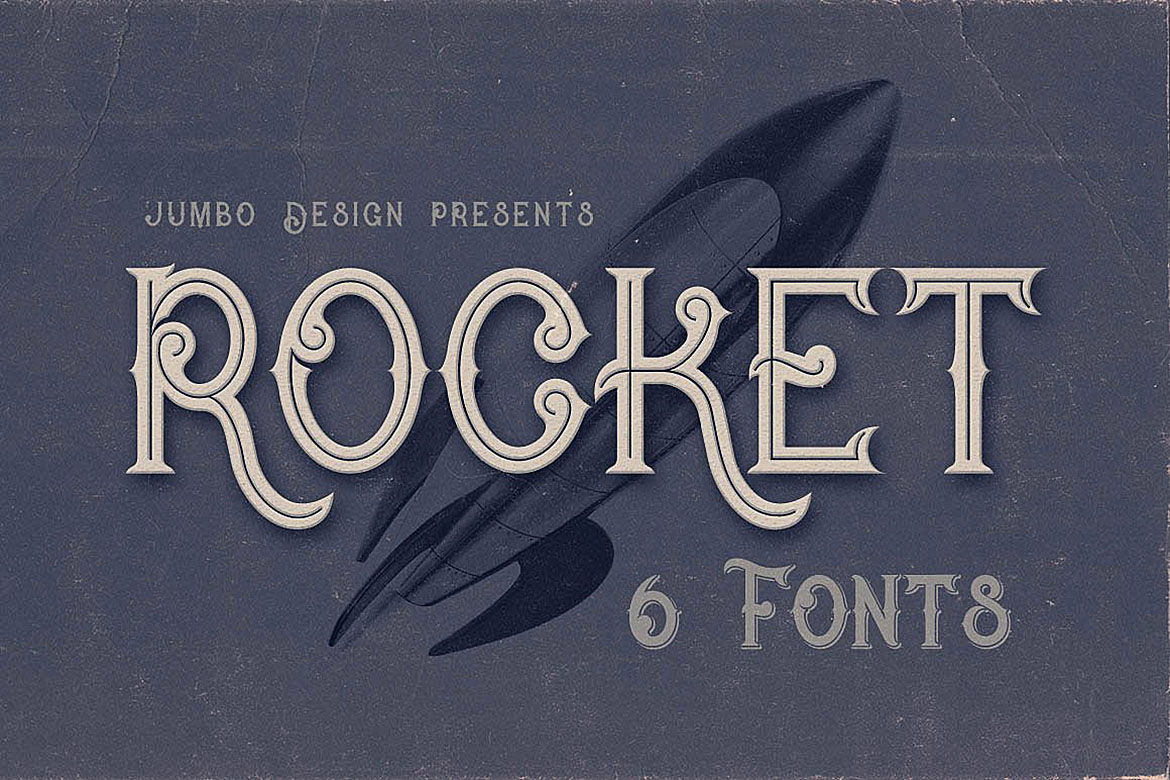
There's a reason retro sci-fi aesthetics keep circling back into mainstream design. They tap into a collective memory of optimism and adventure—a time when the future felt like a promise. Rocket captures that nostalgia perfectly. Its letterforms are bold, with exaggerated curves and sharp angles that recall hand-lettered comic covers from the 1950s. The variety of styles—from light to black, including condensed and extended options—means you can tailor the font's presence to match your project's mood. This premium display font pulls from classic lettering seen on old movie posters, but it's far from a relic. Whether you're a designer, entrepreneur, or hobbyist, Rocket offers real practical value for projects that need to stand out with personality.
What Makes Rocket a Smart Choice for Brand Identity
Branding is all about consistency and recognition. A typeface that communicates personality instantly helps. Rocket, with its bold curves and playful weight, does exactly that. Use it in logo design, and you immediately signal a brand rooted in creativity and approachability. The included styles allow you to maintain visual hierarchy across different materials. Your main logo might use the heaviest weight, for example, while taglines or secondary text drop into a lighter variant. This cohesive approach strengthens brand identity over time. A customer who sees Rocket on your packaging will recognise it on your website, building trust through repetition.
For small business owners, this matters. A single font purchase can unify everything from business cards to social media graphics. You don't need a dozen design assets when one versatile font like Rocket does the heavy lifting. It's a commercial font that delivers professional results without forcing you to learn complex typography theory. The retro vibe also works well for businesses with a story to tell—think craft breweries, indie bookshops, or tech startups that want to highlight their innovative spirit. The font's distinct personality projects confidence and a touch of whimsy, setting you apart from competitors relying on generic modern typography.
Where to Deploy Rocket for Maximum Impact
Rocket is a display font, so it's built for headlines and attention-grabbing applications. But its variety of styles means you can stretch it further than you might expect. Consider these realistic scenarios where it truly excels:
- Editorial Design: A magazine feature on retro culture can use Rocket for pull quotes and section headers. The font's personality adds authenticity without overwhelming the layout. Pair it with a clean sans serif font for body text to keep readability high.
- Packaging Design: Limited edition products or artisanal goods benefit from Rocket's uniqueness. A spice blend, craft soda, or vinyl record label can all use Rocket to create a visual hook on the shelf. The angular strokes contrast nicely with organic package shapes.
- Web Design: As a web font, Rocket brings life to hero sections and call-to-action buttons. Its distinct letterforms ensure that your main message isn't skimmed over. Keep it for short phrases—it's not meant for paragraphs. Use a neutral sans serif or serif for body copy.
- Social Media Graphics: In crowded feeds, Rocket helps your content cut through. Use it for quote overlays, event announcements, or promotional posts. The retro feel often resonates with audiences seeking a break from sterile, minimal trends.
- Personal Projects: Crafters and hobbyists can use Rocket for posters, birthday banners, or scrapbook titles. The multiple styles reduce the need to buy separate creative fonts for different effects.
The key across all these applications is restraint. Let Rocket be the star. For supporting text, consider a neutral serif or sans serif font. This balance creates visual interest without sacrificing readability or overwhelming viewers.
How Rocket Affects Readability and Audience Perception
Readability in a display font is about clarity at large sizes. Rocket delivers there. The letterforms are distinct, with generous spacing that prevents crowding. This is crucial for brand messaging where you need every word to register. A tagline like "Explore the Unknown" set in Rocket immediately establishes tone. The retro curves suggest both nostalgia and reliability, which can positively influence audience engagement.
Beyond readability, the font shapes how people perceive your brand. It projects confidence and a touch of whimsy—a powerful differentiator for marketers and publishers connecting with niche audiences. The font's visual hierarchy works naturally: bold commands attention, while lighter weights support without competing. This guides the reader's eye smoothly, improving comprehension of key messages. In a market full of rigid sans serifs and predictable scripts, a creative font like Rocket signals that you're willing to take inspired chances with your identity.
Practical Steps for Choosing and Using Rocket
Before committing to Rocket, evaluate your project's specific needs. Ask yourself: Does a retro aesthetic align with my brand voice? If yes, test the font in real-world contexts. Download the preview and drop it into a mockup. See how it interacts with other design elements. Pay attention to how it reads at different sizes. Rocket works best at 24 points and above for digital, and slightly larger for print. For smaller text, rely on a simple sans serif or serif friend to keep legibility strong.
Font pairing is another consideration. Rocket complements a wide range of neutral fonts. Some good matches include a clean sans serif like Lato or a classic serif like Merriweather. Avoid pairing it with another display font, as this can create visual clutter. Stick to one focal point. Also review the included styles carefully. With multiple options, you have built-in hierarchy without purchasing extra design assets. This is especially valuable for small businesses and independent creators watching their budgets.
Licensing is straightforward but worth checking. Most retail versions of Rocket include a standard desktop license for commercial use. If you plan to embed it in web applications or print for resale, verify the terms. A one-time purchase often covers multiple projects, making it an economical choice for ongoing brand identity work. Like any premium font, proper licensing protects both you and the creator.
Finally, use Rocket intentionally. Overuse can dull its impact. Reserve it for headlines, logos, and key messages. In a world where modern typography often leans minimal, Rocket brings back joy and personality. It's a reminder that fonts can be both functional and expressive. Whether you're building a brand from scratch or refreshing an existing one, this display font gives you a reliable way to connect with your audience on a deeper visual level.