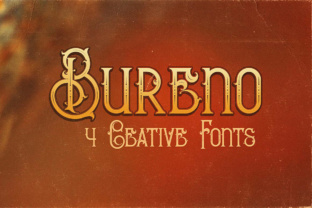
Bureno: A Vintage Display Font with Staying Power
In an era where digital interfaces often lean toward clean, minimalist sans-serifs, there is a growing counter-movement toward warmth, personality, and visual storytelling. Bureno emerges as a distinctive voice in this space. With its ornamental details, robust character, and unmistakable vintage charm, Bureno is a display font designed to command attention without shouting. It feels simultaneously nostalgic and fresh, making it a relevant choice for creators and professionals who want their work to stand out with authenticity.
This article explores what makes Bureno unique, why vintage-inspired typography is gaining traction, how the font fits into modern design workflows, and practical ways to use it effectively. The goal is to provide a grounded understanding of when and why to reach for a font like Bureno, and how to integrate it into your own projects without overcomplicating your design.
Understanding Bureno: More Than Just a Retro Look
Bureno draws its identity from the ornamental and decorative traditions of early twentieth-century typography. It carries flourishes, swashes, and a structural weight that feels handcrafted. This is not a font designed for long blocks of body text. Instead, Bureno shines in display settings – headlines, logos, posters, packaging, and any situation where the goal is to create an immediate visual impression. Its punch comes from its ability to evoke a sense of history while remaining legible and functional in contemporary contexts.
What sets Bureno apart from many other vintage-style fonts is the care in its detailing. The letterforms are not simply rough approximations of old type; they are carefully drawn to balance ornamentation with readability. This balance is critical. A display font that is too ornate can become illegible at smaller sizes or lose its impact in digital environments. Bureno manages to pack a lot of charm without sacrificing usability, which explains why it has found a home among designers, small business owners, and content creators who value both aesthetics and function.
Why Vintage Typography Is Resonating Again
Typography trends often mirror broader cultural shifts. In a digital landscape dominated by mass-produced content, uniformity, and algorithmic feeds, there is a natural hunger for things that feel human, imperfect, and grounded. Vintage style fonts tap into this desire. They suggest craftsmanship, history, and a slower pace of creation. Bureno, with its ornamental flourishes and bold presence, fits perfectly into this renewed appreciation for the tactile and the handcrafted.
Several factors are driving this trend:
- Brands seek distinction. When every competitor uses the same clean sans-serif typeface, a brand that adopts a distinctive vintage font like Bureno immediately signals individuality and a point of view.
- Digital fatigue is real. Audiences are bombarded with sleek, sterile visuals. Fonts that carry warmth and a sense of history offer a visual break and can increase engagement.
- The maker movement and small-batch culture. From craft breweries to independent coffee roasters to boutique online shops, businesses built on authenticity often turn to ornamental typefaces to express their values.
- Social media and short-form content. Platforms like Instagram, Pinterest, and TikTok rely on visual hooks. A display font like Bureno can make a thumbnail or opening slide memorable in a split second.
These shifts are not fleeting. As more businesses and creators recognize the value of a distinct visual voice, the demand for fonts with personality continues to grow. Bureno occupies a sweet spot in this landscape: it is ornamental enough to feel special, but not so decorative that it loses its utility across different media.
The Changing Role of Display Fonts in Modern Workflows
Ten years ago, display fonts were often treated as a secondary consideration – a fun option to pull out for the occasional poster or event flyer. Today, the role of display typography has evolved. With the rise of brand storytelling, content marketing, and visual-first communication, display fonts are now central to how organizations present themselves. Whether you are a solopreneur building a personal brand or a marketing team developing a campaign, the fonts you choose carry significant weight.
Bureno is particularly suited to this new reality because it works across both print and digital without losing its character. Its vintage aesthetic does not look dated on a screen; instead, it reads as intentional and curated. This adaptability matters because modern creators juggle multiple touchpoints: websites, social media graphics, email headers, printed collateral, packaging, and even video titles. A font that performs well across these contexts saves time and ensures consistency.
Another shift worth noting is the democratization of design tools. Platforms like Canva, Figma, Adobe Express, and Squarespace have made high-quality typography accessible to non-designers. This means that small business owners, freelancers, and hobbyists can now make intentional font choices without needing a graphic design degree. Bureno, being available as a commercial font or sometimes included in curated font libraries, is within reach for anyone looking to elevate their visual identity. For those who work with professional design software, its opentype features – including stylistic alternates and swashes – allow for customization that makes each use feel unique.
Practical Applications: Where Bureno Makes the Most Impact
Because Bureno is a display font optimized for impact, it is best used in situations where you want to create a focal point. Here are some realistic examples of where it excels:
Branding and Logo Design
If you are building a brand around heritage, craftsmanship, or nostalgia, Bureno can serve as the foundation of your logotype. A coffee shop that roasts its own beans, a vintage clothing store, a craft brewery, or a boutique bakery – these are all businesses that benefit from the warm, ornamental feel of a font like Bureno. It suggests care and tradition without looking tired or cliché.
Print Collateral and Packaging
Posters, flyers, business cards, and product labels are natural homes for Bureno. Its weight and detail hold up well in print, especially when combined with a neutral color palette or textured paper stock. The tactile, physical nature of print complements the handcrafted quality of the typeface.
Social Media and Digital Graphics
On platforms where users scroll quickly, Bureno’s distinct shapes can grab attention. Use it for quote cards, promotional announcements, event flyers, or social media headers. Pairing it with a simple sans-serif for body text keeps the layout balanced and readable.
Signage and Event Materials
For weddings, art openings, farmers markets, or pop-up shops, Bureno lends an air of celebration and personality. Its ornamental details make it suitable for formal or festive applications, while its bold weight ensures it remains legible from a distance.
How to Use Bureno Effectively Without Overdoing It
Like any font with strong character, Bureno works best when used intentionally. A few practical recommendations can help you get the most out of it:
- Limit its use. Reserve Bureno for headings, titles, and key visual elements. Overusing it in body text or secondary headers can overwhelm the design and reduce its impact.
- Pair it with neutral companions. A simple sans-serif or a clean serif for body text will let Bureno shine without clashing. Think of it as the lead actor supported by a reliable ensemble.
- Mind the spacing. Because Bureno has ornamental flourishes, generous spacing around the type helps it breathe. Avoid crowding it with other strong visual elements.
- Test at different sizes. What looks stunning on a poster header may not work at a smaller scale. Always test Bureno at the intended use size to confirm legibility and balance.
- Leverage alternates. If the font includes stylistic alternates or swashes, consider using them to create custom wordmarks or to avoid repetition in multi-word compositions.
These guardrails are not meant to limit creativity but to ensure that the font’s strengths are amplified rather than diluted.
Looking Forward: The Place of Ornamental Fonts in a Changing Design Landscape
As artificial intelligence, automated design tools, and real-time content generation become more common, the value of deliberate, human-driven design choices will only increase. Fonts like Bureno represent something that algorithms cannot easily replicate: a sense of time, place, and emotional tone. While technology continues to evolve, the need for authentic visual voices remains constant.
It is also worth noting that the line between print and digital continues to blur. Brands now need assets that transition smoothly from a website to a social post to a physical sign. Bureno’s ornamental design holds up across these mediums, making it a practical investment for anyone building a cohesive visual system. Whether you are a business owner refreshing your brand, a freelancer creating a portfolio piece, or a hobbyist exploring typography, Bureno offers a combination of charm and utility that is hard to find in more generic fonts.
In a landscape crowded with safe, forgettable type, fonts with a point of view are more valuable than ever. Bureno delivers that point of view without sacrificing readability or versatility. It reminds us that good design does not have to choose between beauty and function – the two can, and should, work together.