Khetab – Arabic: A Geometric Display Font Inspired by Ancient Kufic Writings
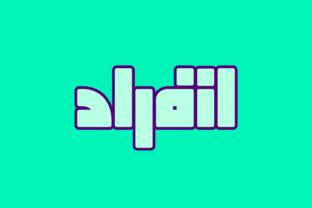
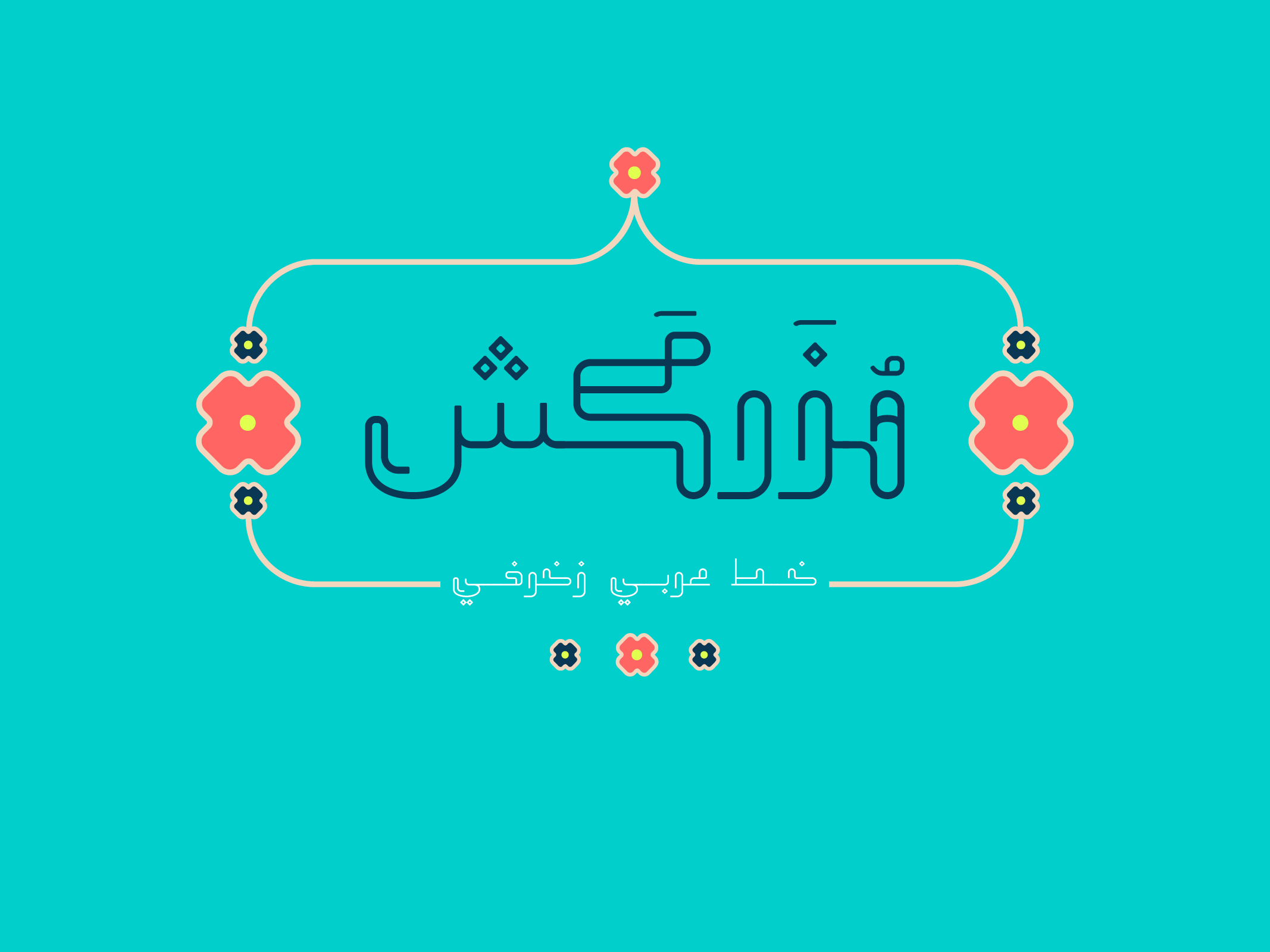
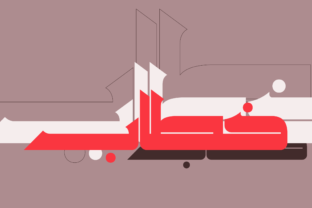
In the world of Arabic typography, few typefaces manage to balance historical depth with modern utility as effectively as Khetab – Arabic. The name itself comes from the Arabic word for speech, which hints at the typeface’s core purpose: to give visual voice to projects that need strong, legible, and culturally resonant lettering. This display font is built on a geometric structure that draws directly from ancient Kufic script—one of the earliest calligraphic forms in Arabic. With three distinct styles—sharp, wide, and rounded—Khetab – Arabic is designed primarily for titling, branding, and web use. It is not a text font meant for long paragraphs, but rather a tool for making powerful statements in headlines, logos, and other high-impact visual contexts.
What Is Khetab – Arabic? Understanding the Typeface’s Foundation
Khetab – Arabic belongs to the family of geometric Kufic fonts, which means its letterforms are constructed with precise lines, angles, and proportions rather than flowing curves. This style originates from early Islamic manuscripts and architectural inscriptions, where clarity and monumentality were paramount. The designer behind Khetab – Arabic has taken that ancient sensibility and adapted it into a versatile digital typeface that works across contemporary media.
The font consists of three stylistic variants: sharp, wide, and rounded. Each offers a different visual character while maintaining a consistent structural framework. The sharp style features angular terminals and crisp joins, ideal for a modern, forward-looking aesthetic. The wide style extends the horizontal proportions, giving words a stable, grounded appearance that works well in large sizes. The rounded style softens the extremities, resulting in a warmer, more approachable look without sacrificing the geometric rigor. Together, these styles form a cohesive system that can adapt to various branding voices and design contexts.
Key Characteristics and Purpose of Khetab – Arabic
Khetab – Arabic is purpose-built for display use, not for body text. Its primary strengths lie in areas where typography needs to command attention: titles, headers, logotypes, posters, packaging, and digital banners. The geometric construction ensures that letters remain consistent and readable even at small sizes, but the font truly shines when applied at larger scales where its structural details become visible.
- Sharp style: Delivers a clean, precise, and slightly architectural feel. Good for technology brands, modern publications, and minimalist designs.
- Wide style: Offers generous horizontal space, which enhances legibility in limited-width layouts and creates a steady, authoritative rhythm.
- Rounded style: Softens the geometry without losing its Kufic roots. Useful for brands that want to appear friendly, creative, or approachable.
All three styles share consistent letter heights, stroke weights, and baseline alignment, which means they can be mixed in the same design system without visual conflict. This flexibility is particularly valuable for designers who need to differentiate headings, subheadings, and accent text within a single project.
Real-World Performance: Where Khetab – Arabic Excels and Where It Has Limits
In practical use, Khetab – Arabic performs reliably across common design applications. Its vector-based glyphs scale cleanly from small web badges to large print banners without degradation. The geometric shapes are inherently grid-friendly, making the font easy to align with other design elements such as icons, borders, and image frames. For web use, the font loads efficiently as a web font and renders consistently across modern browsers and operating systems, assuming proper font-face implementation and fallback.
Where Khetab – Arabic stands out is in brand identity projects that require a distinctive Arabic presence. For example, a Middle Eastern restaurant chain could use the wide style for its logo to convey tradition and stability, while a cultural festival poster might deploy the sharp style for a contemporary, urban feel. The rounded variant works well for children’s products, lifestyle blogs, or any context where warmth is part of the brand personality.
However, there are limitations. Because Khetab – Arabic is a display font, its legibility drops when used for extended body text, particularly at sizes below 16 pixels or 12 points. The geometric forms, while elegant, lack the letter-to-letter reading flow that text-oriented fonts provide. For long-form content, pairing Khetab – Arabic with a complementary body font is a practical necessity. Additionally, the font may not support all Arabic diacritics or extended characters with the same consistency as more comprehensive text fonts—this is worth verifying if your project involves heavily vocalized Arabic text.
Another consideration is licensing. Depending on where you purchase or download the font, licenses may restrict use to specific numbers of domains or print runs. It is essential to review the end-user license agreement (EULA) before integrating Khetab – Arabic into commercial projects, especially if you plan to use it across multiple brands or client sites.
Quality and Usability: Is Khetab – Arabic a Reliable Choice?
From a design quality standpoint, Khetab – Arabic demonstrates careful attention to geometry and consistency. The letterforms are well-proportioned within their grids, and the spacing (kerning) is generally even across common letter combinations. The font includes standard Arabic character coverage, numerals, punctuation, and basic Latin support, which makes it functional for bilingual projects that pair Arabic with English or other languages using Latin script.
Usability is strong for designers familiar with typography workflows. The font installs easily on both macOS and Windows systems, and it behaves predictably in software such as Adobe InDesign, Illustrator, Photoshop, Figma, and Affinity Publisher. Glyph variations (if any) are accessed through OpenType features, so users should check the font’s feature set if they need stylistic alternates or ligatures.
One reliability factor worth noting is the font’s performance in web environments. Because it is a geometric display font, it may appear slightly bolder or thinner depending on the rendering engine and screen resolution. Testing across multiple devices is advisable before committing to Khetab – Arabic as the primary web font for a production site. For print projects, the font delivers consistent output in both offset and digital printing, provided the color and weight settings are correctly calibrated.
Who Benefits Most from Khetab – Arabic?
Khetab – Arabic is best suited for professionals and creatives who work with Arabic typography in visual-first contexts. Here are several groups that will find practical value:
- Brand identity designers: The three-style system offers flexibility for developing distinctive logos and visual systems that carry cultural weight.
- Web designers and developers: The font is solid for hero sections, navigation headers, and call-to-action buttons where typography needs to make an immediate impact.
- Publishers and editorial designers: Magazine covers, book titles, and promotional materials benefit from the font’s monumental, clean appearance.
- Marketers and entrepreneurs: For small businesses and startups targeting Arabic-speaking audiences, Khetab – Arabic can provide a professional, modern identity without the complexity of custom lettering.
- Bloggers and content creators: YouTube thumbnail titles, social media graphics, and blog header images become more distinctive with a consistent typographic voice.
Educators and serious hobbyists will also appreciate the font’s connection to historical Kufic script, making it a useful teaching tool for discussions about Arabic calligraphy evolution and geometric design principles.
Practical Recommendations and Final Thoughts
If you are considering Khetab – Arabic for a project, start by evaluating whether your primary use case is display-level typography. If you need a font for long-form articles, product descriptions, or small text, look elsewhere and use this font strictly for accents. For headings, logos, and short impactful lines, Khetab – Arabic offers a purposeful and visually engaging solution.
Purchase the font from reputable foundries or marketplaces that provide clear licensing terms. Test the three styles against your actual content to see which variant aligns best with your brand’s tone. In many cases, mixing the sharp and rounded styles can create a compelling contrast within a single design system—use sharp for primary headers and rounded for secondary accents.
Overall, Khetab – Arabic is a well-executed display typeface that brings ancient Kufic geometry into contemporary design practice. It is not a Swiss Army knife for Arabic typography, but it is a specialized, effective tool for creators who understand when and how to deploy a strong typographic statement. Whether you are building a brand identity from scratch or refreshing an existing visual system, this font earns its place in a thoughtful designer’s toolkit—provided you respect its role as a display voice, not a speaking voice.