Forma: Where Material Experimentation Meets Typographic Expression
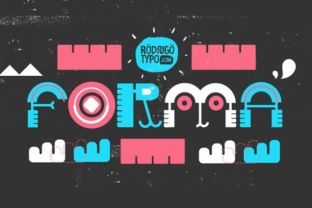
Typography has always been a bridge between function and art, but every so often a typeface arrives that challenges our very notion of what a letter can be. Forma, an experimental creation by type designer Rodrigo Araya Salas, does exactly that. Conceived from a blend of plastic, wood, metal, and other materials, Forma isn't just a set of characters—it’s a tangible exploration of texture, weight, and visual storytelling. Whether you’re a designer looking for a distinct voice, a business owner aiming to stand out, or simply someone curious about how typography can evoke a physical world, Forma offers something rare and refreshing.
The Inspiration Behind Forma
What happens when you step away from the digital screen and look at the objects around you? That’s the question Rodrigo Araya Salas asked himself while designing Forma. Instead of relying on traditional calligraphic or geometric principles, he turned to the physical materials that populate our everyday lives. The result is a typeface that carries the weight of a metal beam, the bend of a plastic curve, and the grain of polished wood. This material-driven approach gives Forma a unique personality—one that feels both handcrafted and industrial, organic yet deliberate.
The experimental nature of the typeface means it isn’t trying to be invisible. On the contrary, it proudly calls attention to its own construction. Each letterform seems to hold a memory of being shaped, cut, or molded. For creators and professionals who work in branding, editorial design, or environmental graphics, this tactile quality opens up a whole new channel of communication. Forma doesn’t just say words; it tells a story about how those words were formed.
What Makes Forma Unique?
At first glance, Forma might remind you of a contemporary sans serif, but look closer and its distinguishing features emerge. The characters carry an unevenness that is entirely intentional—slight variations in stroke thickness, subtle asymmetries in terminals, and a raw edge that suggests assembly rather than pure geometry. The font refuses to be sanitized; it celebrates its mixed-material origins.
- Material Echoes: The design mimics the visual behavior of physical media. Some letters feel carved like wood, others appear cast in metal, and a few seem injection-molded from plastic.
- Organic Imperfections: Unlike machine-perfect typefaces, Forma includes deliberate quirks—tiny bumps, angled cuts, and uneven curves—that add human warmth and surprise.
- Versatility in Weight: The regular version is robust enough for body text in short passages, while the three decorative variants push the envelope for headlines and display use.
This combination makes Forma a tool for visual storytelling. It’s not a font you choose for its neutrality; you choose it because you want your message to have texture literally and figuratively.
Exploring the Family: Regular and Three Variants
The Forma font family comes with a well-constructed regular style, but the real excitement lies in its three variants. These are not merely italic or bold adaptations—they are different visual treatments that allow you to decorate your letters in distinct ways. While exact naming may vary by release, these variants typically offer alternative letter shapes, extra flourishes, or structural modifications that amplify the material theme.
- Variant One – Constructed: This version emphasizes the “plastic and metal” side of Forma. Letters appear more rigid and angular, as if stamped out of a sheet of steel or molded in high-impact polymer. Great for tech, automotive, or industrial design contexts.
- Variant Two – Organic: Leaning into the wood and natural material influences, this variant softens the edges and introduces subtle grain-like textures. It suits eco-friendly brands, artisanal products, or editorial pieces that want a warmer tone.
- Variant Three – Mixed: As its name suggests, this variant combines elements from the other two, creating a chaotic yet cohesive palette. Letters may switch from plastic to wood mid-stroke, offering a glitch-like or collage effect ideal for avant-garde projects.
Using the variants is straightforward: you choose the regular Forma for continuous reading, then swap in a variant for titles, pull quotes, or accent words. The contrast between the consistent regular weight and the expressive variants is where Forma truly shines.
Real-World Applications and Ideal Users
Forma isn’t a one-size-fits-all typeface, and that’s its strength. It finds a home in projects where brand identity must convey innovation, craftsmanship, or a fusion of digital and physical worlds. Below are a few scenarios where Forma excels:
Branding and Logos
Imagine a furniture studio that works with reclaimed wood and recycled metals. Using the Organic variant for their logo, paired with the regular Forma for website headers, immediately communicates their material ethic. The uneven letterforms mirror the uniqueness of handcrafted pieces. Similarly, a boutique electronics brand might use the Constructed variant to hint at precision engineering while avoiding cold, sterile typography.
Editorial and Print Design
Magazines and books focusing on design, architecture, or lifestyle can use Forma to add a tactile layer to their pages. A feature article about sustainable materials could set its opening spread in the Mixed variant, using the chaotic contrasts to visually echo the theme of repurposing. The regular version handles captions or sidebars with enough clarity to remain readable at smaller sizes.
Environmental Graphics and Signage
Because Forma draws from physical materials, it feels right at home in built environments. A co‑working space with an industrial aesthetic might install wall lettering in the Constructed variant, giving the space a sense of permanence. An outdoor store could use the Organic variant for wayfinding signs that feel carved from wood.
Digital Experiences
While Forma’s raw edges are best appreciated in print or large display, it can also work on screen for headers and hero sections. Its distinctive shapes become memorable brand assets in websites and apps. Just be cautious with small body text—its irregularities can reduce legibility below 16px.
Strengths and Considerations
Every creative tool has trade-offs, and Forma is no exception. Understanding these will help you decide if it fits your project.
| Strengths | Considerations |
|---|---|
| Highly distinctive – your typography will not look like anyone else’s. | Limited legibility at very small sizes – avoid using Forma for long body copy below 12pt. |
| Multi-variant system offers flexibility within a single family. | Not ideal for formal or conservative brands – its experimental nature may clash with corporate tone. |
| Triggers emotional and tactile responses – readers feel the material story. | May require careful pairing – combine with a simple neutral font for body text to balance the visual noise. |
| Excellent for short, impactful text – headlines, logos, posters, and covers. | Variant selection is crucial – using the wrong variant can miscommunicate your intended material feel. |
In practice, Forma works best when you give it space to breathe. Crowding it with other ornate elements or using it for pages of uninterrupted text will diminish its effect. Its purpose is to punctuate and emphasize, not to carry the entire load of reading.
How to Evaluate Forma for Your Project
Before committing to Forma, ask yourself a few key questions. Your answers will guide whether this typeface is a perfect fit or a creative stretch.
- What is the core message of your project? If you want to convey innovation, handcrafted quality, or material honesty, Forma is a strong candidate. If you need neutrality and maximum readability, look elsewhere.
- Who is your audience? Consumers and creators who appreciate design nuance will respond well to Forma. Business owners targeting a conservative or mass-market audience may find it too unconventional.
- Where will the typeface appear? For print and large-scale display, Forma shines. For heavy digital body copy, consider using only the regular variant at larger sizes, and supplement with a complementary sans serif for the smaller text.
- Can you test the variants? If possible, try setting a few sample words in each variant to see which matches your project’s material palette. A wooden sign warrants the Organic variant, while a sleek prototype benefits from Constructed.
Take the time to prototype a spread or homepage. The unique texture of Forma becomes apparent only when you see it in context. Many type foundries offer trial licenses or test files—use them before making a final decision.
The Unique Value of an Experimental Typeface
In a world saturated with safe, generic typography, Forma stands out because it dares to be messy, tactile, and referential. It speaks to a movement in design that values experience over mere function. By blending plastic, wood, metal, and more, Rodrigo Araya Salas has created a typeface that invites touch, even through a screen. For professionals and creators, it’s a chance to let letters carry meaning beyond their shape. For business owners, it’s a way to embed brand values directly into the visual language.
Forma won’t replace your everyday working fonts, but it shouldn’t. Its role is to surprise, to craft a memorable instant, and to remind us that typography can be as rich and varied as the materials we build our world with. When used thoughtfully, Forma adds a dimension that standard fonts simply cannot achieve.
To learn more about the designer’s process or to acquire the font, visit Rodrigo Araya Salas’s official site or check reputable independent type foundries. Experiment with the four styles—regular and its three variants—and see where your own creativity takes you.
Final Thoughts
Choosing a typeface is rarely just about aesthetics; it’s about alignment with intent. Forma offers a path for projects that want to break away from the polished, the predictable, and the purely digital. Its material origins ground it in reality, while its experimental cuts push it toward the future. Whether you’re designing a brand identity, a poster, or an environmental installation, Forma gives you the vocabulary to speak in textures. Give it a try—your letters might feel like they’ve been shaped by your own hands.