Bubble Ras: A Reggae-Inspired Font with Relaxed Charm
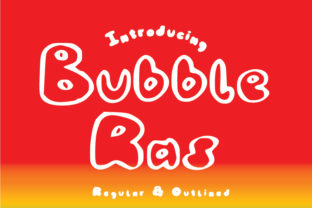
Some fonts feel like they have a personality. Bubble Ras is one of them. Created for a submission to the International Reggae Poster Competition in 2015, this monoline typeface carries an easygoing, playful spirit that stands apart from more structured or formal designs. It is a font that does not try too hard, yet it leaves an impression.
Bubble Ras draws inspiration from reggae culture, a genre known for its laid-back rhythms, positive messages, and vibrant visual identity. The letterforms are rounded, soft, and consistent in weight, giving the font a handcrafted feel while remaining highly readable. The monoline style means every stroke has the same thickness, which creates a clean, unified look that works well in display settings.
For anyone working with type, understanding what Bubble Ras offers and where it fits best can save time and improve results. The font may serve different purposes depending on your background, project goals, and comfort level with design tools.
What Makes Bubble Ras Distinctive
At its core, Bubble Ras is a display font. It is not designed for long blocks of body text, but rather for headlines, posters, logos, and other situations where type needs to stand out and convey mood. The rounded letter shapes and monoline weight give it a friendly, approachable quality that feels both nostalgic and current.
The reggae connection is not just thematic. The letterforms reflect the visual language found in reggae album covers, concert posters, and festival branding. There is a sense of movement and rhythm in the spacing and curves, as if the letters themselves are nodding along to a beat. This makes Bubble Ras particularly effective for projects that aim to evoke warmth, community, or celebration.
Another notable feature is its flexibility across sizes. At larger sizes, the rounded details become more apparent and the personality shines. At smaller sizes, the monoline structure keeps the letters legible without losing their character, though it works best at medium to large scale for maximum impact.
Who Might Find Bubble Ras Useful
Different audiences approach fonts with different priorities. Bubble Ras may appeal to several groups, each for their own reasons.
Designers and Creatives
For graphic designers, illustrators, and visual artists, Bubble Ras offers a quick way to inject a specific mood into a project. If you are working on a poster for a music event, a logo for a café, or packaging for a product that wants to feel handmade and friendly, this font can be a strong choice. The monoline style also pairs well with other typefaces, making it a useful addition to a type toolkit.
Consider a designer creating a flyer for a summer block party. Using Bubble Ras for the headline immediately sets a casual tone. Pairing it with a simple sans-serif for details keeps the layout balanced. The font saves time because it already carries the emotional weight you might otherwise have to build through colors or illustrations.
For illustrators, Bubble Ras can also serve as a starting point for hand-lettered projects. Its consistent stroke weight makes it easy to trace or modify, and its relaxed forms provide inspiration for custom lettering work.
Small Business Owners and Entrepreneurs
Business owners often need to communicate a brand personality quickly. Whether you run a juice bar, a yoga studio, a children's toy shop, or a creative agency, the typefaces you choose influence how customers perceive your business.
Bubble Ras can be effective for business signage, social media graphics, or product labels where a friendly, approachable image is important. It is not suited for corporate reports or legal documents, but for businesses that emphasize community, fun, or relaxation, it can feel like a natural fit.
Imagine a small bakery that wants to update its chalkboard menu. Using Bubble Ras for the headings makes the board feel warm and inviting. Customers may perceive the brand as more personal and less corporate, which can be a real advantage in local markets.
Hobbyists and DIY Creators
Not everyone who uses fonts works in design professionally. Hobbyists creating invitations for a party, designing a personal blog header, or making a custom T-shirt for a family reunion may not have formal training. For them, ease of use and immediate visual appeal matter most.
Bubble Ras is straightforward to apply. It works in most design software, from professional tools like Adobe Illustrator to free platforms like Canva or GIMP. Because the font has a strong personality, it can make a project look polished with minimal effort. A hobbyist does not need to understand kerning or hierarchy to get good results—the font does much of the work on its own.
Educators and Students
In a classroom setting, Bubble Ras can serve as a teaching tool. Typography students learning about display fonts, mood, and cultural references can study how this font connects its letterforms to a musical genre and a specific era. It provides a concrete example of how type can communicate beyond the literal meaning of words.
For younger students or beginners, the playful nature of Bubble Ras makes learning about fonts more engaging. A teacher might ask students to create a poster for a fictional event using Bubble Ras, then discuss how different fonts would change the message. This kind of exercise builds visual literacy in a hands-on way.
Event Organizers and Community Groups
Event materials for concerts, festivals, farmers markets, or community gatherings often benefit from type that feels welcoming. Bubble Ras fits naturally into this space. A poster for a reggae night, a flyer for a charity run, or a banner for a neighborhood picnic can all gain personality from this font. It signals that the event is casual, fun, and open to everyone.
Because the font is monoline, it also reproduces well across different media—print, web, and social media. An organizer can use the same headline for a Facebook event, a printed poster, and a T-shirt without losing consistency.
Considerations Before Using Bubble Ras
No font is perfect for every situation. Understanding the limitations of Bubble Ras helps you decide if it is the right choice for your project.
Readability at Small Sizes
While Bubble Ras remains legible at smaller sizes, its rounded forms can become less distinct if scaled down too much. For small captions, footnotes, or detailed information, a simpler sans-serif or serif font may serve better. Use Bubble Ras for headers and main titles, and pair it with a more neutral font for supporting text.
Tone and Context
The relaxed, playful tone of Bubble Ras is a strength in casual contexts but a limitation in formal ones. A law firm, a financial institution, or a medical practice would likely find the font inappropriate for their branding. It is important to match the font to the message you want to send.
Licensing and Availability
Before using Bubble Ras in commercial projects, check the licensing terms. Some fonts are free for personal use but require a license for business applications. Understanding this upfront avoids legal issues and ensures you can use the font consistently across all your materials.
How to Test If Bubble Ras Works for You
The best way to evaluate a font is to see it in context. Download a trial version if available, or test it in your design software with your actual content. Create a mockup of your project—whether it is a poster, a logo, or a social media graphic—and compare it with other fonts you are considering.
Ask yourself a few questions:
- Does this font match the mood I want to create?
- Is it readable at the sizes I plan to use?
- Does it pair well with the other typefaces in my project?
- Does it feel original, or does it look like something already common in my field?
For some projects, Bubble Ras will feel like the obvious choice. For others, a more neutral or structured font may serve better. There is no right or wrong answer—only what works for your specific needs.
Long-Term Value and Versatility
Fonts that carry a strong cultural reference can be timeless or trend-driven, depending on how they are used. Bubble Ras is rooted in reggae aesthetics, which have maintained a steady presence in music, fashion, and design for decades. This gives the font a certain staying power. It is not a fleeting trend, but a style with lasting cultural resonance.
For designers building a portfolio, including projects that use culturally aware typography can demonstrate both skill and sensitivity to context. For business owners, a font like Bubble Ras can help a brand feel authentic without being generic.
Ultimately, Bubble Ras is a tool—one of many in a growing landscape of type options. Its value depends on how well it serves your message, your audience, and your creative goals.
Practical Examples Across Use Cases
To make the decision clearer, here are a few scenarios where Bubble Ras might be the right fit:
- A music festival poster: The headline uses Bubble Ras at a large size, paired with a simple sans-serif for the lineup and details. The font signals fun and diversity.
- A children's book cover: Bubble Ras adds a hand-drawn feel that appeals to young readers and parents looking for warm illustrations.
- A social media campaign for a wellness brand: The font conveys calm and positivity, reinforcing messages about self-care and community.
- A local restaurant menu header: Bubble Ras gives a casual, friendly impression that matches a relaxed dining environment.
Each of these examples works because the font aligns with the context. When the type and the message are in harmony, the result feels natural.
Bubble Ras offers a distinct personality that can elevate projects seeking warmth, rhythm, and a touch of reggae spirit. By understanding its strengths, limitations, and best-use scenarios, you can decide whether it belongs in your next design.