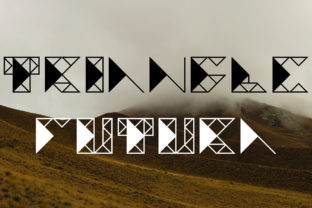
Triangle Futura: The Display Typeface Built Around a Constant Core
Typography is often the unsung hero of visual communication. A carefully chosen typeface can elevate a brand, set the mood for a motion sequence, or make a static design feel alive. Among the vast landscape of modern fonts, Triangle Futura stands out for a simple but radical design philosophy. The typeface was designed with the intent of keeping the central triangle constant, while the letters begin to take different shapes around that centralized triangle. This approach results in a wonderfully edgy display font that can be used most effectively with motion graphics and bold editorial work. In this article, we will explore what makes Triangle Futura distinctive, where it shines, and how you can evaluate whether it is the right fit for your next project.
Understanding the Central Triangle Philosophy
At first glance, Triangle Futura may look like a geometric sans-serif with sharp angles. However, its underlying structure is far more intentional. The central triangle is not merely a decorative element; it serves as an anchor point for the entire character set. Every letterform is built outward from this stable, unchanging shape. This means that while the outer contours of the characters may bend, curve, or extend, the innermost geometry remains fixed. The result is a typeface that feels both structured and unpredictable.
From a design perspective, this constant core creates a rhythmic consistency across the alphabet. When you set a word in Triangle Futura, the eye picks up on the repeating triangular motif, even if the letters themselves vary widely in shape. This subtle repetition gives the typeface a cohesive identity without becoming monotonous. It is a balancing act that few display fonts attempt, and Triangle Futura executes it with confidence.
What Makes It a Display Font
Display fonts are designed for headlines, short text blocks, and high-impact settings rather than long body copy. Triangle Futura fits this category perfectly. Its angular forms and pronounced geometric character demand attention. When used at larger sizes—typically 36 points and above—the triangular anchors become visible, and the letterforms take on a sculptural quality. The font is not built for dense paragraphs or extended reading; it is built to be seen, felt, and remembered.
Because of its strong visual personality, Triangle Futura works best in environments where the typography itself carries meaning. A headline set in this typeface communicates energy, precision, and a modern edge before the viewer even reads the words.
Key Characteristics of Triangle Futura
To understand whether Triangle Futura is right for your work, it helps to look at its defining traits. These characteristics come directly from its design philosophy and affect how the font behaves in real-world applications.
- Geometric consistency: Every letter shares the same central triangular structure, giving the typeface a unified rhythm across uppercase, lowercase, numerals, and punctuation.
- Sharp terminals and corners: The font avoids rounded endings whenever possible. This reinforces the edgy, contemporary feel and pairs well with minimalist or industrial design themes.
- Variable letter shapes around a fixed core: While the triangle remains constant, characters like a, e, and g may extend outward in unexpected ways. This creates visual interest without breaking harmony.
- High contrast between thick and thin strokes: Certain characters display dramatic stroke variation, which adds depth and makes the font highly legible at larger sizes.
- Limited but focused character set: Triangle Futura includes the essential glyphs needed for English and many European languages. It does not aim to replace a full-featured text font.
How It Differs from Other Geometric Fonts
Geometric fonts such as Futura, Avant Garde, or Century Gothic rely on circles, squares, and straight lines to create uniform shapes. Triangle Futura shares some of that geometric DNA but replaces the circle with the triangle as the primary building block. This shift changes the entire feel of the typeface. Where Futura feels rational and calm, Triangle Futura feels dynamic and even slightly aggressive. The triangular core introduces tension into the letterforms, making them more suitable for projects that require a bold statement.
Another difference is that most geometric fonts aim for visual neutrality across all characters. Triangle Futura embraces asymmetry and variation. The letters are not all the same width, and the triangular anchor means that some characters appear wider or narrower than expected. This unpredictability is a strength when used intentionally, but it also means the font requires careful pairing and spacing.
Where Triangle Futura Excels: Real-World Applications
Triangle Futura is not a one-size-fits-all typeface, but in the right contexts, it delivers outstanding results. Below are some of the most effective use cases based on actual project experience and industry feedback.
Motion Graphics and Animation
Because of its strong geometric anchor and pronounced shapes, Triangle Futura is exceptionally well-suited for motion graphics. When letters animate—whether through rotation, scaling, or position shifts—the constant triangle inside each character creates a recognizable reference point. This makes the typography feel stable even when it is moving. Designers working on title sequences, lower thirds, or promotional videos often turn to Triangle Futura because it holds together visually during transitions. The edgy shapes also catch light and shadow in interesting ways, adding depth to animated compositions.
For example, a short promotional video for a tech startup might feature the company name in Triangle Futura, with each letter rotating around its central triangle. As the letters spin, the constant inner shape keeps the word readable, while the outer edges create a dynamic, shifting silhouette. This effect is difficult to achieve with more symmetrical fonts.
Branding and Logo Design
Brands that want to communicate innovation, precision, or a forward-thinking identity can benefit from Triangle Futura. The typeface works particularly well for logos in the technology, architecture, gaming, and fashion sectors. Because the triangular core is consistent across all characters, a wordmark set in Triangle Futura feels cohesive even if the brand name contains a mix of wide and narrow letters.
It is important to note that Triangle Futura is not suitable for every brand. Companies that rely on warmth, tradition, or approachability may find the font too cold or severe. However, for brands that want to stand out and project confidence, it is a powerful option.
Posters, Flyers, and Editorial Headlines
Large-format print work is another natural home for Triangle Futura. Posters for events, album covers, magazine spreads, and flyers all benefit from a typeface that commands attention. The triangular shapes create strong visual anchors that draw the eye, even from a distance. When combined with bold colors or high-contrast backgrounds, Triangle Futura can become the focal point of a layout.
In editorial design, the font is best reserved for headlines, pull quotes, and section titles. Pairing it with a clean, neutral body font such as Inter or Source Sans allows the display typeface to shine without overwhelming the reader.
Considerations and Limitations
No typeface is perfect for every situation, and Triangle Futura has its own set of considerations that designers and business owners should weigh before committing to it.
- Readability at small sizes: Because the font relies on sharp angles and a fixed triangular core, it becomes harder to read at small sizes. Below 24 points, the details may blur, and the letters can lose their distinction. Avoid using Triangle Futura for body text, captions, or any application where legibility is the top priority.
- Limited character set and weights: Triangle Futura typically offers a single weight or a very limited family. This means you cannot rely on it for extensive typographic hierarchy. You will need to pair it with other fonts for subheadings, body copy, and fine print.
- Not suitable for formal or traditional contexts: The edgy, modern aesthetic of Triangle Futura clashes with corporate reports, legal documents, or any setting that demands neutrality. It is unapologetically bold, which is a strength in some contexts and a liability in others.
- Spacing and kerning require attention: Because the letters vary in width and shape, default spacing may not be optimal for all letter combinations. Designers should plan to spend time adjusting kerning for specific headlines or logos to ensure the final result looks polished.
Practical Expectations for First-Time Users
If you are considering Triangle Futura for a project, here are a few practical tips based on experience. First, test the font at the actual size it will be used. A headline on a poster may look dramatically different on screen versus in print at large scale. Second, experiment with color and texture. The triangular anchors become more pronounced when the font is set against a contrasting background or filled with a gradient. Third, do not overcrowd the layout. Triangle Futura has a strong visual presence, so it benefits from generous white space around it. Finally, consider pairing it with a simple sans-serif or serif body font that does not compete for attention.
Who Should Use Triangle Futura
Triangle Futura appeals to a wide range of creative professionals, but it is especially valuable for those who work in fields where visual impact matters most. Motion designers, branding specialists, poster artists, and editorial designers will find the most immediate utility. Business owners who want a distinctive logo or marketing material that breaks away from conventional typography should also consider it.
For hobbyists and enthusiasts, Triangle Futura offers a chance to experiment with a truly unique design tool. Even if you are not a professional designer, using this typeface in personal projects—such as event invitations, social media graphics, or video titles—can give your work a polished, contemporary edge.
How to Evaluate Triangle Futura for Your Project
Before purchasing or licensing Triangle Futura, take these steps to ensure it meets your needs. First, download a trial version or use a preview tool to test sample words from your project. Pay attention to how the central triangle behaves in letters like O, Q, and R, which often reveal the most about the font's character. Second, create a mockup of your intended use—whether that is a logo, a motion graphic title, or a poster—and evaluate it at the actual viewing distance or screen size. Third, consider the emotional tone you want to convey. Triangle Futura communicates energy, precision, and modernity. If that aligns with your message, it is likely a good fit. Fourth, think about the full typographic system you will need. If your project requires multiple weights or extensive language support, you may need to supplement Triangle Futura with another font.
Final Thoughts on a Distinctive Typeface
Triangle Futura is not the font for subtlety. It was designed to be noticed, and it delivers on that promise. The central triangle that remains constant while letters shift and reshape around it gives the typeface a rare combination of stability and surprise. For motion graphics, branding, and large-format design, it is a tool that can transform an ordinary composition into something memorable. By understanding its strengths, respecting its limitations, and applying it with intention, you can make Triangle Futura work powerfully for your audience.
Typography is ultimately about communication, and Triangle Futura communicates with clarity and confidence. If your project demands a voice that is sharp, modern, and unapologetically geometric, this typeface deserves a close look.