Threat Typography: Cut-Out Letters in Design
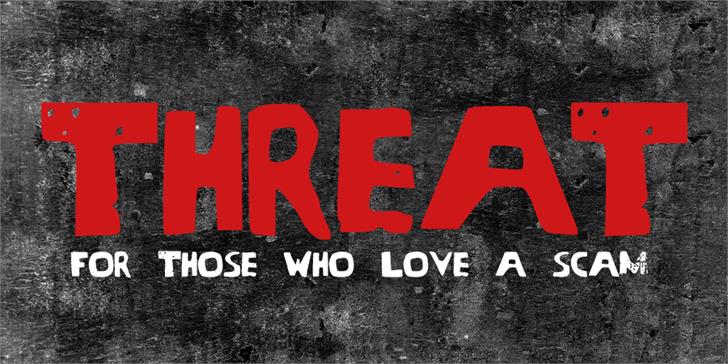
Every designer knows that the right typeface can set a mood, but few styles command attention quite like the jagged, messy aesthetic of cut-out newspaper letters—often referred to in the industry as Threat typography. This deliberately imperfect look, reminiscent of a ransom note or a punk-era zine, has evolved from a niche novelty into a powerful tool for brands and creators who want to disrupt visual expectations. When applied thoughtfully, Threat-style lettering injects raw urgency and authenticity into projects that demand immediate engagement.
Why Threat Matters in Modern Visual Communication
In an era where polished, vector-perfect fonts dominate most marketing touchpoints, the rough texture of cut-out typography creates a striking break in visual hierarchy. This style thrives on contrast: its uneven baselines and mismatched sizes immediately signal rebellion, urgency, or handmade craft. For graphic design professionals, Threat serves as an deliberate counterpoint to sterile minimalism, adding a layer of tactile grit that resonates with audiences weary of slick perfection.
The psychological impact is immediate. Jagged edges and varying weights mimic the physical act of cutting, which subconsciously triggers associations with real-world materials, urgency, and even personal curation. This makes Threat especially effective for branding projects that aim to challenge conventions—whether for music festivals, streetwear lines, activist campaigns, or horror-themed media.
Key Applications Across Creative Projects
From logo design to packaging design, Threat typography offers surprising versatility when used with intention. Below are practical scenarios where this style elevates visual design:
- Branding and Identity: Perfect for subversive brands, edgy startups, or event posters. The haphazard look communicates nonconformity and raw energy.
- Marketing Materials: Flyers, billboards, and direct mail pieces become instantly memorable when a single headline uses cut-out letters, especially for product launches focused on disruption.
- Social Media Graphics: In crowded feeds, a jagged Threat-style quote or announcement stops the scroll faster than a clean sans-serif ever could.
- Website and UI Design: Use sparingly for hero titles or call-to-action buttons to create focal points that contrast with regular body text.
- Editorial Layouts: Magazine spreads and zine covers benefit from the collaged aesthetic, reinforcing an indie or avant-garde positioning.
- Packaging Design: Limited-edition products, especially in gaming, music, or apparel, gain a gritty, tangible feel when labels incorporate cut-out lettering.
- Advertising Campaigns: OOH ads or digital banners targeting younger demographics often rely on this style to simulate grassroots urgency.
- Presentations: Used sparingly, a Threat-style title slide can break monotony in client pitches or internal decks focused on innovation.
- Merchandise: T-shirts, stickers, and pins featuring Threat-style graphics tap into DIY culture and collector appeal.
- Digital Products: App icons, launch pages, and email headers can leverage this style for bold, playful engagement.
Choosing and Using Threat-Style Elements Effectively
While the aesthetic is intentionally rough, using it well requires careful attention to design flow and visual hierarchy. Begin by auditing your audience and brand voice—Threat works best for projects that embrace nonconformity, dark humor, or high energy. For a luxury perfume brand or a corporate annual report, this style would likely clash with professional presentation expectations.
When integrating Threat typography into a broader brand identity, consider these factors:
- Consistency versus contrast: Use Threat only for hero elements, then pair it with clean, neutral fonts for body copy. This preserves readability while maximizing impact.
- Readability first: Not every message needs Threat treatment. Reserve cut-out letters for short, punchy phrases. Long sentences become illegible and frustrate users.
- Scalability testing: Check how the style renders at different sizes—on a phone screen versus a billboard. Some cut-out fonts lose definition when small.
- Color palette harmony: Threat styles often work best with high-contrast backgrounds (black, kraft paper, bright neons). Avoid pastel tones that soften the roughness.
- Audience expectations: If your target is Gen Z or creative professionals, Threat signals authenticity. For corporate clients, use it only in internal mood boards or campaigns with explicit permission.
From a UX design standpoint, Threat should never compromise usability. Reserve it for decorative headlines or interactive elements that invite exploration, not for critical navigation or body text. The same principle applies to typography in web design: use Threat as a visual anchor, then support it with legible system fonts for the rest of the interface.
Blending Threat with Other Creative Assets
The most effective uses of Threat typography integrate it with complementary creative assets. For example, pair cut-out letters with distressed textures, halftone patterns, or collage-inspired imagery to strengthen the handcrafted narrative. In print design, simulate the physicality by combining real rips and tears with digital overlays. For digital marketing, animate the letters individually—each sliding in or rotating—to amplify the unsettling, kinetic feel.
When building a color palette around Threat, lean into primary bold hues or monochrome grit. Avoid gradients that smooth out the edges. The goal is to preserve the visual tension that makes this style so effective in modern aesthetics. In editorial design, Threat headlines work best when surrounded by negative space, letting the letters breathe like artifacts on a page.
Ultimately, Threat typography is not a shortcut to edginess—it is a deliberate choice that demands context, restraint, and a clear design goal. When used with intention, cut-out newspaper lettering becomes more than a gimmick: it transforms communication into an experience. Whether you are crafting a brand identity for a rebellious startup, designing social media graphics for a campaign, or building a web design that breaks the mold, this style offers a tactile, unpolished humanity that purely digital fonts rarely achieve. By understanding its visual rules and respecting its limitations, you can harness Threat to cut through the noise and leave a lasting impression on every viewer.