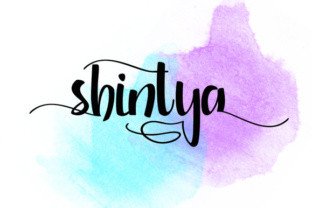
Shintya: A Calligraphy Script Font for Elegant Design
Typography has a way of setting the emotional tone of a project before a single word is read. When you need warmth, personality, and a touch of sophistication, script fonts often deliver that human feel that standard typefaces cannot. Shintya is one such typeface that has been gaining attention among designers and content creators who value both beauty and readability in their work. Rooted in calligraphy traditions but built for modern use, Shintya offers a balanced approach to script typography that works across a surprising range of applications.
What Shintya Brings to the Table
At its core, Shintya is a script font inspired by hand-lettered calligraphy. Its letterforms carry the natural flow and variation you would expect from a skilled calligrapher’s pen, but they have been refined for digital consistency. The result is a font that feels personal without sacrificing professionalism.
One of its standout qualities is the graceful contrast between thick and thin strokes. This characteristic gives Shintya a rhythm that draws the eye along a line of text, making it particularly effective for short, impactful messages. The letters connect smoothly, creating a seamless look that mimics real handwriting while maintaining legibility. Unlike some script fonts that sacrifice clarity for style, Shintya manages to keep its characters distinct, which matters when you want viewers to actually read what you have written.
Key Strengths of Shintya
- Fluid calligraphy style: The strokes mimic natural pen pressure, giving each word an organic, handcrafted appearance.
- Readable letterforms: Despite its decorative nature, the font retains good legibility, especially at moderate sizes.
- Versatile weight and spacing: Shintya works well both as a headline and for shorter body text when sized appropriately.
- Romantic and warm aesthetic: The curves and swashes evoke a classic, heartfelt feel that suits personal and celebratory projects.
Where Shintya Shines in Real Projects
Shintya is not a font you would use for a dense corporate report, but that is by design. Its strengths are best leveraged in contexts where emotion and elegance matter. Below are several practical scenarios where this typeface can elevate your work.
Invitations and Event Collateral
Wedding invitations, anniversary announcements, and formal party invites are perhaps the most natural home for Shintya. The font’s calligraphic roots align perfectly with the traditional elegance expected in such materials. When paired with a clean sans-serif for logistical details, Shintya can carry the headline or the couple’s names with the kind of warmth that feels personal rather than templated. Many event planners and stationery designers have found that Shintya reduces the need for elaborate ornamentation because the letterforms themselves serve as decoration.
Branding for Romantic and Lifestyle Businesses
If you run a boutique bakery, a florist shop, a wedding photography studio, or a skincare line, your visual identity needs to communicate care and attention to detail. Shintya can form the basis of a logo or be used across packaging and social media graphics. Its human quality helps brands feel approachable, which is valuable in industries built on trust and personal connection. For example, a small cake studio using Shintya on their menu cards and Instagram posts can convey a homemade, artisanal vibe without saying a word.
Digital Products and Social Media Graphics
Content creators and bloggers often need fonts that stand out in a crowded feed. Shintya works beautifully for quote cards, inspirational posts, and story highlights. Because it carries a romantic undertone, it is especially effective for content around relationships, personal growth, and lifestyle. A freelance social media manager might use Shintya for a client’s Valentine’s Day campaign or a series of engagement announcements, knowing the font will catch the eye without feeling gimmicky.
Printed Collateral for Small Businesses
Business owners who produce physical materials like thank-you cards, product tags, or flyers can benefit from Shintya’s ability to add a personal touch. A small jewelry brand, for instance, can use the font on its packaging inserts to reinforce the handmade nature of its products. Similarly, a wedding venue might use Shintya on brochures and signage to mirror the romantic experience they promise clients.
Practical Benefits You Can Expect
Choosing a font is not just about aesthetics; it also affects how your audience engages with your content. Shintya offers several tangible advantages in daily use.
Improved Emotional Connection
Readers react differently to script fonts compared to blocky sans-serifs. Shintya’s flowing lines tend to evoke feelings of warmth, nostalgia, and intimacy. For marketers and entrepreneurs, this can translate into higher engagement on campaigns targeting relationship-driven audiences. A heartfelt thank-you page on a website, set in Shintya, can leave a stronger impression than standard typefaces.
Efficiency in Design Work
Because Shintya already carries visual interest, designers often find they need fewer decorative elements in their layouts. A simple text treatment with this font can stand alone as the focal point. This saves time during the design process and reduces the need for additional graphics or embellishments. For freelancers juggling multiple projects, any efficiency gain is welcome.
Versatility Across Formats
Shintya holds up well in both print and digital environments. Whether you are exporting a PDF for a client or posting a PNG to Instagram, the curves remain smooth and the legibility stays intact. It also pairs well with many serif and sans-serif fonts, giving you flexibility when building a complete visual system. For example, combining Shintya with a clean geometric sans for body text creates a contrast that feels intentional and polished.
Practical Considerations When Using Shintya
No font is perfect for every situation, and understanding Shintya’s limitations will help you use it effectively.
Size and Spacing Matter
Shintya is best at medium to large sizes. For headlines, names, or short phrases, it shines. However, if you try to use it for long paragraphs or very small text, legibility can suffer. Keep it for the moments you want to emphasize. In body copy, use a more neutral companion font to give readers a break. You can also adjust tracking and leading in your design software to fine-tune readability depending on your medium.
Consider Your Audience and Context
While Shintya works beautifully for romantic and celebratory themes, it may feel out of place in more formal or technical contexts. A legal document, a financial newsletter, or a corporate annual report would not benefit from a calligraphy script. Knowing your audience’s expectations is key. When in doubt, test the font with a small group of stakeholders or customers before committing.
Licensing and File Formats
Before using Shintya in commercial projects, verify the licensing terms. Some script fonts have restrictions on embedding in digital products or using in logo trademarks. Also, ensure you have the appropriate file formats for your workflow, whether that is OTF, TTF, or web font versions. This step saves headaches down the line, especially if you plan to distribute materials widely.
Final Thoughts on Shintya
Shintya is a thoughtful script font that balances calligraphic charm with modern usability. It gives designers, marketers, and business owners a reliable tool for projects where emotion and elegance are central. From wedding invitations to lifestyle branding, its applications are both practical and inspiring. When used with intention and consideration for context, Shintya can elevate your communication and help your audience feel the sentiment behind your words. Whether you are creating a single invitation or building a full brand identity, this typeface is worth exploring for its ability to combine beauty with function.