Laika Pro: When Type Needs to Say Something More
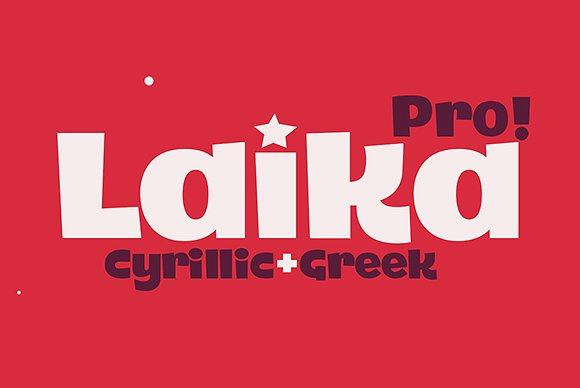
Typography does more than just display words on a screen or a page. It shapes the way we feel about what we are reading before we even process the text itself. When you come across a headline that feels bold, cultural, or slightly unexpected, there is often a specific typeface working behind the scenes. Laika Pro is one of those fonts that stops you for a second. It is a display font rooted in the visual structure of the Russian alphabet while also offering support for Cyrillic and Greek letters. But what does that actually mean in practice?
Let’s talk about where and how this typeface can really earn its place, not just in a designer’s folder, but in the real projects that people like you might be working on right now.
Designing for Cultural Resonance Without Clichés
If you have ever tried to design something that nods to Eastern European culture, you have probably run into a problem. Many typefaces either go too far into cliché territory—think heavy, blocky, Soviet-era propaganda vibes—or they lack the specific letterforms needed to make the text feel authentic. Laika Pro sits in a much more useful middle ground. It takes visual cues from the shapes and proportions found in Cyrillic typography, but it does not feel stuck in a museum.
Imagine you are putting together a poster series for a film festival that features Russian and Greek cinema. You want the typography to echo the source material without overwhelming the viewer. Using a font that naturally includes Cyrillic and Greek letterforms means you can set titles in their original script without scrambling to find a matching fallback font. The visual flow stays intact, and the audience picks up on that coherence, even if they cannot name why it feels right.
For a book cover design around a novel set in St. Petersburg or Athens, Laika Pro gives you that geographic and emotional anchor. The letter shapes carry just enough stylistic weight to suggest place and history, while remaining readable at display sizes.
Where Display Fonts Actually Live and Work
Display fonts are not for long paragraphs of body text. They are for moments that need impact. Laika Pro shines in environments where you need to capture attention fast. Think of a music festival lineup poster that needs to blend modern aesthetics with a nod to folklore. Or a brand identity for a boutique vodka, a Balkan-inspired restaurant, or a theater production that plays with Eastern European themes.
I worked with a small design studio last year that was rebranding a chain of delis specializing in Eastern European imports. They tried using clean sans-serif fonts first, but everything felt too generic. When they switched to Laika Pro for the signage and window displays, the shift was noticeable. The letterforms had a distinct character that matched the products on the shelves. Customers started commenting on the signage. That is the kind of return you want from a typeface choice.
Other practical scenarios include:
- Album covers for bands that blend folk music with electronic production
- Merchandise designs like T-shirts and tote bags where the text is the main visual
- Apparel branding for streetwear lines that draw on Slavic typography trends
- Environmental graphics for cultural centers, museums, or embassy events
- Social media headers and YouTube channel art for content creators covering language, culture, or travel
Each of these cases benefits from a typeface that brings its own personality, not just letters that sit quietly on the page.
Who Actually Reaches for Laika Pro?
It would be easy to say that this font is only for graphic designers, but that would be too narrow. A few different groups of people have real reasons to keep it in their toolkit.
Startup founders and brand owners who are launching products with a cultural angle often find themselves searching for visual consistency. If your brand name or product line includes Cyrillic or Greek characters, using a font that treats those scripts as primary rather than afterthought is a massive advantage. It tells your audience that you paid attention to the details.
Content creators and YouTubers who cover Eastern European history, language, or travel can use Laika Pro for thumbnails and intro titles. It gives a visual cue that the video is going to be about something specific, not generic. Even if the video itself is in English, a title set in a Cyrillic-inspired font signals the topic before anyone clicks.
Print and merchandise designers who work with small runs of posters, zines, or apparel can use Laika Pro to create a limited-edition feel. Because the typeface is not as ubiquitous as Helvetica or Gotham, it makes the work feel exclusive and handcrafted.
Event organizers running cultural festivals, film screenings, or language meetups can use the font across posters, tickets, and digital promotions. Consistency across those touchpoints builds recognition and a sense of identity for the event.
Strengths That Deserve Attention
The biggest strength of Laika Pro is quite simply that it includes Cyrillic and Greek letters as core components, not as afterthoughts. Many fonts that claim multilingual support end up with Greek and Cyrillic characters that look disjointed from the Latin set. Laika Pro avoids that trap. The letterforms feel like they belong together, regardless of the script you are using.
Another practical strength is its readability at display sizes. Some decorative fonts fall apart when you scale them up. Details get lost or start looking messy. Laika Pro holds its structure well, which is invaluable when you are working on large-format prints or digital banners where every pixel matters.
It also sits comfortably in both digital and print contexts. I have tested it on screen mockups and on short-run risograph prints. On the risograph, the slightly uneven ink distribution actually added charm to the letterforms. That is a happy accident you do not get with every font.
Limitations to Keep in Mind
No font is perfect for every job, and Laika Pro is no exception. It is a display font, which means you should not use it for long blocks of body text. At small sizes, especially on screens, the distinctive letter shapes can start to feel cramped or difficult to read. If you are building a website or a brochure, reserve Laika Pro for headlines, pull quotes, or navigation elements. Use a simpler, more neutral typeface for paragraphs.
Another consideration is audience familiarity. If your project is aimed at a general audience that is not particularly interested in typography, the stylistic choices in Laika Pro might not register the way you intend. That is not necessarily a problem, but it is worth asking whether the font reinforces your message or distracts from it. For culturally specific projects, it reinforces. For a generic corporate presentation, it probably distracts.
Also, while Laika Pro supports Greek and Cyrillic, always double-check your specific character set before committing. If you need extended characters or special punctuation marks, verify that the font file you have includes them. This is not a knock on the typeface itself, just a practical step that saves headaches later.
Pairing Laika Pro with Other Fonts
If you plan to use Laika Pro in a larger design system, you will want to pair it with something that does not compete for attention. Neutral sans-serif fonts like Inter, Open Sans, or even the system fonts on your computer work well. The goal is to let Laika Pro handle the moments of emphasis while the secondary font carries the reading experience.
For a restaurant menu, you might set the section headers in Laika Pro and the dish descriptions in a clean sans. For an event poster, the event name and date in Laika Pro, with the supporting details in a simpler font below. That division of labor keeps the design functional while still letting the display font shine.
A Practical Starting Point
If you are curious about trying Laika Pro for an upcoming project, start with something small. A social media graphic, a postcard, or a single poster. Use it for the main headline only and see how it feels in context. Pay attention to how it interacts with colors, images, and other elements on the page. That hands-on test will tell you more than any spec sheet.
And if you are working on a project that involves multiple languages, especially those using Cyrillic or Greek scripts, make sure to test the full range of characters you need. Set a sample string. Adjust the tracking. See how it behaves at different weights and sizes. The time you spend testing upfront will pay off in the final result.
Laika Pro is not the kind of font you use for everything. It is the kind of font you use for the things that need to feel deliberate, textured, and rooted in a visual tradition that goes beyond the usual Latin-centric design world. When the project calls for that, it is hard to find a better match.