Bambo: The Hand-Drawn Sans Serif That Brings Warmth and Character
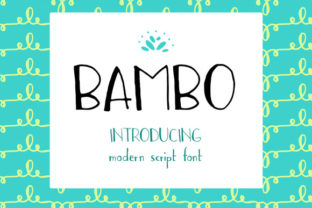
If you've ever struggled to find a font that balances readability with personality, you'll appreciate what Bambo offers. Created by type designer Silvia Porcu, Bambo is a hand-drawn sans serif that feels natural, approachable, and full of life. It's not just another clean, geometric typeface – it carries the subtle imperfections of a human hand, making every letter feel intentional.
While many sans serifs aim for neutrality, Bambo leans into charm. Its slightly irregular strokes and organic shapes make it a favourite for projects that need to communicate warmth, creativity, or a personal touch. Let's explore how this font can work in real-world situations.
Why Bambo Stands Out in a Crowded Type Landscape
Most sans serif fonts are designed to be invisible – they sit quietly and let the content speak. But Bambo does the opposite. It has presence. The hand-drawn quality means no two letters feel exactly the same, and that's exactly the point. Whether you're designing a logo, a poster, or a social media graphic, Bambo adds a layer of authenticity that machine-made fonts rarely achieve.
This font works particularly well when you want your audience to feel like they're reading something personal. It can recall handwritten notes, chalkboard signs, or casual invitations. For brands that need to communicate approachability, Bambo becomes an asset.
Branding for Small Businesses and Freelancers
A local coffee shop, a boutique bakery, or a freelance illustrator – these are the kinds of businesses that benefit most from Bambo's friendly aesthetic. When you use Bambo in a logo or on signage, you immediately signal that your brand is human-centric. Customers often respond positively to this kind of warmth; it feels less corporate and more like a conversation.
For example, a children's book author might use Bambo for their book titles and chapter headings. The hand-drawn nature aligns perfectly with the playful, imaginative world of children's literature. Meanwhile, a yoga studio could use Bambo on their website to evoke calm and connection. It's versatile enough to feel both modern and timeless.
Social Media and Digital Content
Scrolling through Instagram, you'll notice that the most engaging posts often use custom or hand-drawn typefaces. Bambo works beautifully for quote graphics, announcement posts, or story highlights. Its irregular lines catch the eye and break the monotony of perfect digital text. You can pair Bambo with a clean serif for body copy, creating visual contrast that keeps viewers engaged.
If you run a lifestyle blog, Bambo can become your brand's signature font for headings and callout boxes. It brings a handmade feel to digital spaces, which is especially valuable in a world saturated with polished, templated designs.
Packaging and Product Labels
Product packaging is another area where Bambo excels. Imagine a jar of organic honey, a box of artisan chocolates, or a set of natural skincare products. The font on the label needs to convey quality, but also something more – care, tradition, or a personal story. Bambo can do that.
Because it's hand-drawn, it pairs naturally with illustrations, flourishes, or watercolour textures. Many small-batch producers choose Bambo for their labels because it tells a story before the customer even reads a single ingredient. It whispers "made by hand" without needing any extra words.
Editorial and Print Design
Magazines, zines, and brochures that aim for a casual, creative vibe often incorporate hand-drawn type. Bambo fits right in. You might use it for pull quotes, section openers, or as a display font on a feature spread. The key is balance – use Bambo sparingly for maximum impact. A whole page of Bambo body copy might strain readability, but a headline in Bambo can set a trusting, accessible tone.
In a travel magazine, Bambo could headline an article about local artisans. In a wedding invitation suite, it might replace a formal script font for a more relaxed, modern feel. The audience gets a sense of authenticity that script fonts sometimes miss.
Educational and Non-Profit Materials
Schools, community centres, and non-profits often need materials that feel inclusive and approachable. Bambo's friendly curves can help make information feel less intimidating. A school newsletter, a workshop flyer, or a fundraising brochure – all can benefit from a font that feels more like a friend than a notice.
Because Bambo is a sans serif, it retains good legibility at moderate sizes. This makes it practical for worksheet headers, event posters, and digital announcements. For organisations on a tight budget, using a typeface like Bambo can add a lot of visual value without requiring complex design skills.
Who Should Consider Using Bambo
Bambo is not for every project. If you need a font for dense body copy or formal legal documents, look elsewhere. But if you're in any of these roles, it might be a perfect fit:
- Graphic designers who need a hand-drawn option that doesn't sacrifice readability
- Small business owners creating their own branding or marketing materials
- Content creators who want a distinct voice across social media and blog posts
- Educators and non-profit staff looking to make materials more inviting
- Event planners designing invitations, signs, or programmes with a personal touch
Silvia Porcu designed Bambo with a clear intention: to give designers a tool that feels like a real human wrote it. If your audience needs to trust you, connect with you, or simply smile when they see your work, Bambo can help deliver that feeling.
Things to Keep in Mind When Working with Bambo
Before you commit to Bambo as your primary display font, consider these points to get the best results.
Readability at Small Sizes
Bambo shines at medium to large sizes – think headlines, titles, and short paragraphs. At very small sizes (below 14pt for print, or 18px for web), the hand-drawn irregularities can make letters harder to distinguish. If you need body copy, pair Bambo with a clean, legible sans serif like Open Sans or Lato. That way you get personality where it matters most, without sacrificing readability for longer text.
Not a Formal Font
Bambo is inherently informal. That's its strength, but it also means it won't suit corporate annual reports, legal contracts, or luxury brands that require strict elegance. If your project demands sophistication and precision, look at a refined serif or a neutral sans instead. Know your brand voice before choosing.
Kerning and Spacing Adjustments
Because Bambo is hand-drawn, letter spacing can be slightly uneven. Most font files include good default kerning, but you may need to tweak spacing in certain contexts – especially if you use all caps or very large sizes. Take a few minutes to adjust tracking in your design software; it can make the difference between charming and chaotic.
Licensing and Usage
Bambo is available for purchase from various type foundries. Check the licence details before using it in commercial projects. Some licences cover desktop use only, while others include web embedding or app use. Silvia Porcu's work is widely respected, so proper licensing is straightforward. Always confirm you have the rights for your specific use case.
How to Pair Bambo with Other Fonts
One of the most effective ways to use Bambo is in combination with a secondary typeface. The contrast between a hand-drawn display font and a clean, neutral sans serif creates visual hierarchy and makes your design feel intentional.
Try pairing Bambo with:
- Open Sans – for a fresh, modern body text relationship
- Lato – its geometric clarity balances Bambo's organic curves
- Merriweather – a warm serif that complements Bambo's hand-drawn quality without competing
If you want something more playful, pair Bambo with a monospace font for a quirky, workshop-style look. For a minimalist approach, keep Bambo as your only font and use different weights – if a weight variant is available – to distinguish headlines from subheadings.
Real Feedback from Designers Who Use Bambo
Many designers I’ve spoken to mention that Bambo has a calming effect on their layouts. One freelance brand strategist uses it for client mood boards because it immediately lowers the formality and encourages open conversation. Another illustrator uses Bambo for printed zines and finds that readers comment on the tactile feel of the text – even though it's printed, the font carries a handmade quality.
This kind of emotional response is rare with typical system fonts. When a typeface can evoke such a strong sense of personality, it becomes more than just a tool – it becomes part of the message.
If you're considering Bambo for your next project, start with a short test: set a few headlines and a paragraph of body text, then print it out or view it on different devices. See if the personality matches your intent. Often, the font that feels right in your hand ends up feeling right to your audience too.
Bambo by Silvia Porcu is a reminder that type design can be both functional and emotional. Whether you're building a brand, designing an invitation, or creating content for social media, this hand-drawn sans serif brings a human presence that digital perfection rarely achieves. Give it a try on a small project first – you might find it becomes your go-to for anything that needs a little warmth.