Silvia: A Painterly Display Font with Laid-Back Charm
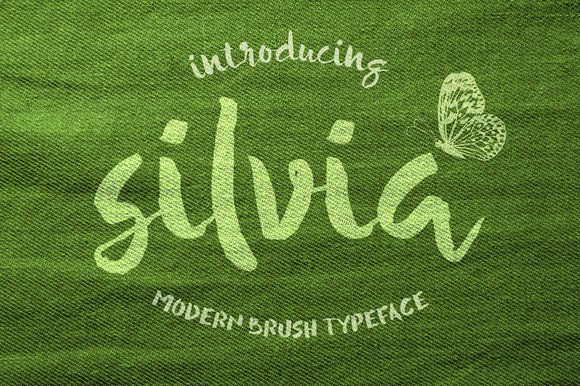
Some fonts command attention through structure and precision. Others, like Silvia, draw you in with their relaxed, painterly character. This display font feels like a brushstroke captured digitally—casual, warm, and full of personality. For designers, marketers, and creators looking to add a human touch to their work, Silvia offers a refreshing alternative to rigid typography. It sits comfortably in the space between polished and imperfect, making it a versatile tool for projects that need to feel approachable and genuine.
What Makes Silvia Distinctive
Silvia belongs to the family of painterly display fonts—typefaces that mimic the natural variation of hand-painted lettering. Unlike clean sans-serifs or geometric scripts, Silvia carries subtle irregularities that give it a handmade quality. Its strokes feel organic, with gentle weight shifts and soft edges that avoid looking mechanical. This makes it especially effective for designs where you want to convey warmth, creativity, or a sense of ease.
The casual nature of Silvia does not mean it lacks structure. Each letterform is carefully drawn to maintain readability while preserving that relaxed feel. It works best at medium to large sizes, where its painterly details can be fully appreciated. In digital or print contexts, Silvia behaves like a friendly voice—one that invites the viewer to pause rather than rush past.
Creative Applications Across Projects
Because Silvia carries a casual, artistic energy, it fits naturally into a range of design contexts. Here are several ways different users can put it to work:
Branding and Identity Work
For small business owners and entrepreneurs building a brand from scratch, Silvia can anchor a visual identity that feels personal and approachable. It works well for:
- Boutique shop signage and packaging
- Café or restaurant menus and takeaway materials
- Artisan product labels—think handmade soaps, candles, or ceramics
- Studio or freelance business cards where a handcrafted impression matters
Pair Silvia with a simple sans-serif body font to keep the overall look balanced. The contrast between the painterly display face and a clean secondary type creates hierarchy without losing the laid-back tone.
Digital Content and Social Media
Bloggers, content creators, and marketers will find Silvia effective for headlines, quote cards, and visual branding on platforms like Instagram, Pinterest, or YouTube. Its organic feel stands out in feeds dominated by polished visuals. Use it for:
- Blog post titles and section headers
- Instagram story text overlays
- Pin titles on Pinterest that need to catch the eye quickly
- Video thumbnail text for a handmade or lifestyle vibe
Because display fonts can become difficult to read at very small sizes, keep Silvia for prominent text elements and rely on simpler fonts for body copy or captions.
Printed Materials and Stationery
Silvia shines in print where its painterly quality translates beautifully. Consider it for:
- Wedding invitations and save-the-date cards
- Greeting cards and personal correspondence
- Posters for community events, art shows, or markets
- Zines and small-run publications that embrace an indie aesthetic
When printing, test the font at different sizes and on various paper stocks. Uncoated or textured papers often enhance the painterly feel, while glossy surfaces can make the irregularities appear less natural.
Adapting Silvia for Different Audiences and Goals
One of Silvia's strengths is its ability to shift tone depending on how you style it. For a younger, creative audience—such as hobbyists, freelancers, or educators—you can lean into the playful side of the font. Combine it with bright colors, uneven layouts, or hand-drawn elements to amplify the casual energy. For a more professional or commercial context, like a small business website or product packaging, pair Silvia with muted tones, ample whitespace, and a structured grid. The font's personality remains, but the overall composition feels intentional rather than chaotic.
Marketers targeting audiences aged 20–50 will find that Silvia resonates well with people who value authenticity. It does not try too hard to be perfect, which makes it relatable. Use it in campaigns that emphasize real stories, behind-the-scenes content, or community-focused messaging. Avoid pairing it with overly formal or corporate language—the disconnect can confuse the viewer.
Practical Tips for Keeping Results Clear and Effective
Using a painterly display font like Silvia requires some attention to composition. Here are grounded recommendations to maintain clarity while preserving the laid-back feel:
- Limit its use to headlines and key phrases. Silvia works best when it has room to breathe. Overusing it in long blocks of text reduces readability and dilutes its impact.
- Watch your tracking and leading. Display fonts often need slightly looser letter spacing than text fonts. Adjust tracking in your design software to avoid cramped or overlapping letters, especially at larger sizes.
- Choose background contrast wisely. Silvia's painterly edges can blend into busy or low-contrast backgrounds. Place it on solid, neutral backgrounds or areas with enough negative space to let the letterforms stand out.
- Test legibility at different sizes. What looks clear at 72 points may become muddy at 24 points. Always preview your design at the actual output size before finalizing.
- Pair it with one or two complementary fonts. Stick to a simple font family for body text—a clean sans-serif or a subtle serif works well. Avoid mixing multiple display fonts in the same composition.
Staying Consistent and Original in Your Use of Silvia
Consistency does not mean using Silvia in exactly the same way across every project. It means establishing a clear role for the font within your overall design system. If you are building a brand, decide upfront whether Silvia will serve as the primary logo type, a secondary accent, or a special-occasion element. This prevents the font from feeling overused or scattered across different touchpoints.
Originality comes from how you combine Silvia with other design choices. The same font can look completely different depending on color palette, imagery, layout, and supporting typography. Experiment with:
- Different color schemes—muted earth tones for a vintage feel, bright pastels for a playful mood, or stark black and white for a modern contrast
- Textured backgrounds that echo the painterly quality, such as watercolor washes or paper grain
- Hand-drawn icons, illustrations, or decorative elements that echo the irregular lines of the font
- Varied alignments—centered for formality, left-aligned for readability, or staggered for a more experimental layout
By treating Silvia as a starting point rather than a final statement, you keep your designs fresh and audience-friendly without relying on the same formula every time.
Realistic Examples to Inspire Your Next Project
Imagine you are a freelance illustrator building a portfolio site. Using Silvia for your name and navigation headings sets a creative, approachable tone before visitors even see your work. Pair it with a clean sans-serif for project descriptions and contact details. The contrast reinforces your artistic identity while keeping the site usable.
If you are a small business owner launching a line of organic teas, Silvia on the packaging labels communicates the handmade, small-batch nature of your product. A soft green or terracotta background with white Silvia lettering feels natural and unpretentious. Add a simple illustration of a tea leaf or steam curl to complete the look.
For a blogger writing about slow living or creative habits, Silvia in social media graphics helps convey the unhurried, intentional quality of the content. Use it for monthly quote roundups or series titles. Keep the rest of the graphic minimal so the font can lead the visual.
Balancing Creative Freedom with Practical Use
Silvia invites experimentation, but the best results come when you balance its artistic nature with clear design thinking. Ask yourself: Who is the audience? What feeling am I trying to create? Does this font support the message or distract from it? When used thoughtfully, Silvia enhances communication rather than overwhelming it.
For educators and hobbyists exploring typography for the first time, Silvia is a forgiving font to practice with. Its irregularities mean you do not have to achieve perfect alignment for it to look good. This can be liberating for beginners who feel intimidated by strict typographic rules. Use it to experiment with layout, color, and composition without worrying about technical precision.
In the end, Silvia works best when you let it be itself—a little painterly, a little imperfect, and entirely approachable. Whether you are designing a logo, building a brand, crafting social content, or making something for personal enjoyment, this font gives you room to be creative without losing sight of what your audience needs to see and understand. Keep the layout clean, the purpose clear, and the tone genuine. That is where Silvia truly shines.