Kimble: A Typeface for the Modern Visual Communicator
In an era where attention spans are measured in milliseconds and visual identity often determines credibility, the tools we choose for communication matter more than ever. Typography, once a background element, has stepped into the spotlight as a primary vehicle for brand voice, user experience, and emotional resonance. Among the growing palette of distinctive typefaces, Kimble emerges as a unique, beautiful choice that is equally at home on a magazine cover, a business card, a high-resolution video title sequence, or a presentation template. This article explores why Kimble is capturing the attention of professionals, creators, and marketers—and how it fits into larger shifts in design, business, and consumer expectations.
The Rise of Distinctive Typography in Branding
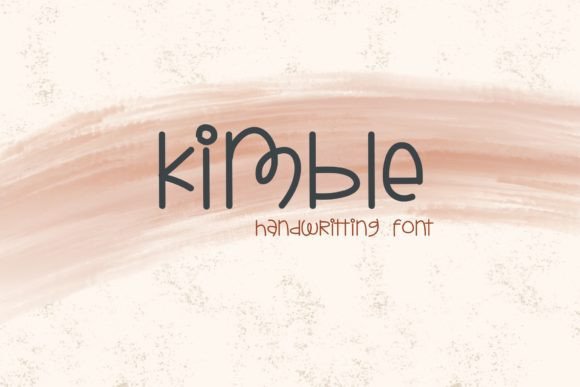
Brands are no longer satisfied with generic sans-serif systems that blend into the digital noise. The demand for distinctive typography has risen sharply as companies seek to express individuality, trustworthiness, and craft. Kimble offers a solution that balances uniqueness with legibility. Its clean yet expressive letterforms allow brands to stand out without sacrificing readability. For entrepreneurs and freelancers building their identity from scratch, Kimble provides an affordable differentiator that signals attention to detail. For established businesses refreshing their visual language, it brings a fresh, contemporary feel that aligns with the current preference for authentic, handcrafted aesthetics.
This shift mirrors a broader trend: the move away from corporate minimalism toward personality-rich design. Whether it's a boutique hotel’s brochure or a tech startup’s pitch deck, audiences expect to see thoughtfulness in every visual element. Kimble answers that call with a typeface that is both approachable and refined.
Bridging Print and Digital: Versatility as a Requirement
Modern workflows demand typefaces that perform across mediums. A font used in a print publication must also work in a digital presentation, on a website, or in a video overlay. Kimble’s design is inherently adaptable. It retains its character whether rasterized for high-resolution video or printed on a business card. This versatility addresses a key pain point for marketers and creators: the need for consistency across touchpoints without sacrificing quality.
Consider a content creator designing both a postcard campaign and an accompanying Instagram video. Using Kimble ensures that the typographic voice remains cohesive, reducing visual friction for the audience. Similarly, a designer working on a calendar and a presentation template can rely on Kimble’s readability at small sizes and its presence at larger scales. This cross-medium reliability is not just a convenience; it’s a strategic advantage in a fragmented media landscape.
Practical Applications Across Creative and Business Contexts
Kimble’s utility extends across a wide range of use cases, many of which are mentioned in its description: magazine articles, newspaper articles, books, advertising, brochures, documents, illustrations, booklets, billboards, business cards, packaging, high-resolution videos, presentations, postcards, calendars, posters, t-shirts, print presentation templates, and much more. Each context benefits from the typeface’s unique character. For example:
- Marketing collateral: Advertising and brochures gain a touch of elegance that helps them stand out in crowded mailboxes or digital feeds.
- Packaging: A product using Kimble on its label communicates quality before the customer even opens the box.
- Video content: High-resolution video titles and lower-thirds become more engaging with Kimble’s legible yet distinctive forms.
- Print presentation templates: When you present a proposal on paper, Kimble’s readability ensures your message is taken seriously.
- Apparel and merchandise: T-shirts and other promotional items benefit from a typeface that looks good in large, bold statements.
For freelancers and entrepreneurs, this versatility is especially valuable. A single typeface purchase can serve multiple projects, from a client’s brand identity to a personal portfolio. The return on investment multiplies when one typeface can be used across industries and formats.
Why Creators and Professionals Are Paying Attention to Kimble
The attention Kimble receives is not accidental. Several factors converge to make it especially relevant today:
- Demand for authenticity: Audiences are increasingly skeptical of stock solutions. A unique typeface like Kimble signals that you have invested in craft.
- Rise of independent creators: As more people build personal brands, they seek tools that give them a professional edge without requiring a large agency budget. Kimble offers that edge.
- Changing expectations in presentations: The days of bullet-ridden slides are over. Modern presentations rely on strong visuals and clean typography. Kimble elevates presentation templates beyond the default.
- Cross‐platform storytelling: Whether you’re designing a billboard or a booklet, your audience expects a coherent visual narrative. Kimble helps maintain that narrative across scale and medium.
Furthermore, the typeface’s design philosophy emphasizes legibility without boredom. Many unique typefaces sacrifice readability for flair; Kimble strikes a balance that makes it suitable for long-form reading in books or magazines, yet punchy enough for headlines in posters or billboards. This balance directly addresses the changing needs of content creators who must produce both long and short-form materials.
Kimble in the Larger Context of Visual Culture
To understand why Kimble resonates, it helps to look at the broader cultural shifts in design. Over the past decade, we have moved through extreme minimalism (flattened, sans-serif) and then toward maximalism (ornate, decorative). Kimble occupies a sweet spot: it has enough personality to feel human, but enough restraint to feel professional. This reflects a larger consumer preference for authenticity and craftsmanship. People are tired of visual noise; they want clarity with a human touch.
In business, this translates to relationship building through design. A brochure or a postcard set in Kimble invites the reader to linger. A presentation template using Kimble suggests that the presenter cares about the audience’s experience. For marketers, this is not a luxury—it is a competitive necessity. When every other brand is competing for attention, the one that communicates with care wins.
A Tool for Storytelling Across Formats
Storytelling is not limited to text or images; typography is an integral part of the narrative. Kimble’s versatility allows it to serve different storytelling roles: as a quiet, supportive voice in a book’s body text, or as a confident headline on a poster. For illustrators and designers creating illustrations and booklets, Kimble can complement visual art without overpowering it. For event planners using postcards and calendars, the typeface lends a sense of consistency that makes the materials feel like a set. This ability to adapt its voice while maintaining its identity is rare and valuable.
Aligning with Changing Consumer Expectations
Today’s consumers expect high-quality visual communication from every brand they interact with—whether it’s a multinational corporation or a local coffee shop. They notice when a font is reused from a common library, and they subconsciously associate that with a lack of authenticity. By using Kimble, creators signal that they have chosen a typeface with intention. This aligns with the larger trend of slow design: the idea that quality, not speed, defines memorable interactions. For entrepreneurs and freelancers, this can translate into higher perceived value and stronger client relationships.
Conclusion
Kimble is more than just a pretty set of letters. It is a strategic asset for anyone who communicates visually—whether you are producing a magazine article, designing a business card, or developing a high-resolution video. Its unique beauty and broad applicability make it relevant to the shifting needs of professionals, creators, and marketers who must balance distinctiveness with practicality. By investing in a typeface like Kimble, you are not only enhancing your immediate project but also aligning yourself with the larger movement toward thoughtful, authentic design. In a world saturated with visual clutter, Kimble offers clarity with character.